1844 - The Discovery of Tin Mining
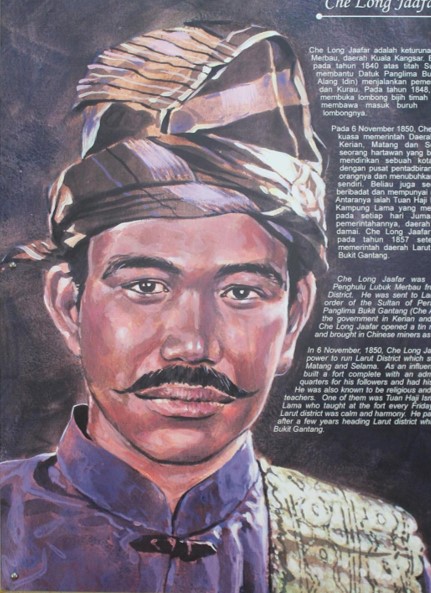
- Che Long Jaafar, the first man who discovered tin ore in Larut district. The first tin mining area was located in Klian Pauh (now: Taiping).
- The mining operation was pioneered by Hakka Chinese members of the Hai San secret group that were brought in by Che Long Jaafar.
- As more tin deposits discovered, new tin mines were opened in Klian Bharu (now: Kemunting).
- The prosperity of tin ore in Larut led to the massive influx of Chinese miners.
- Then, the earliest mining settlement began in Taiping which majorly resided by Chinese people.
1861 - Larut War I
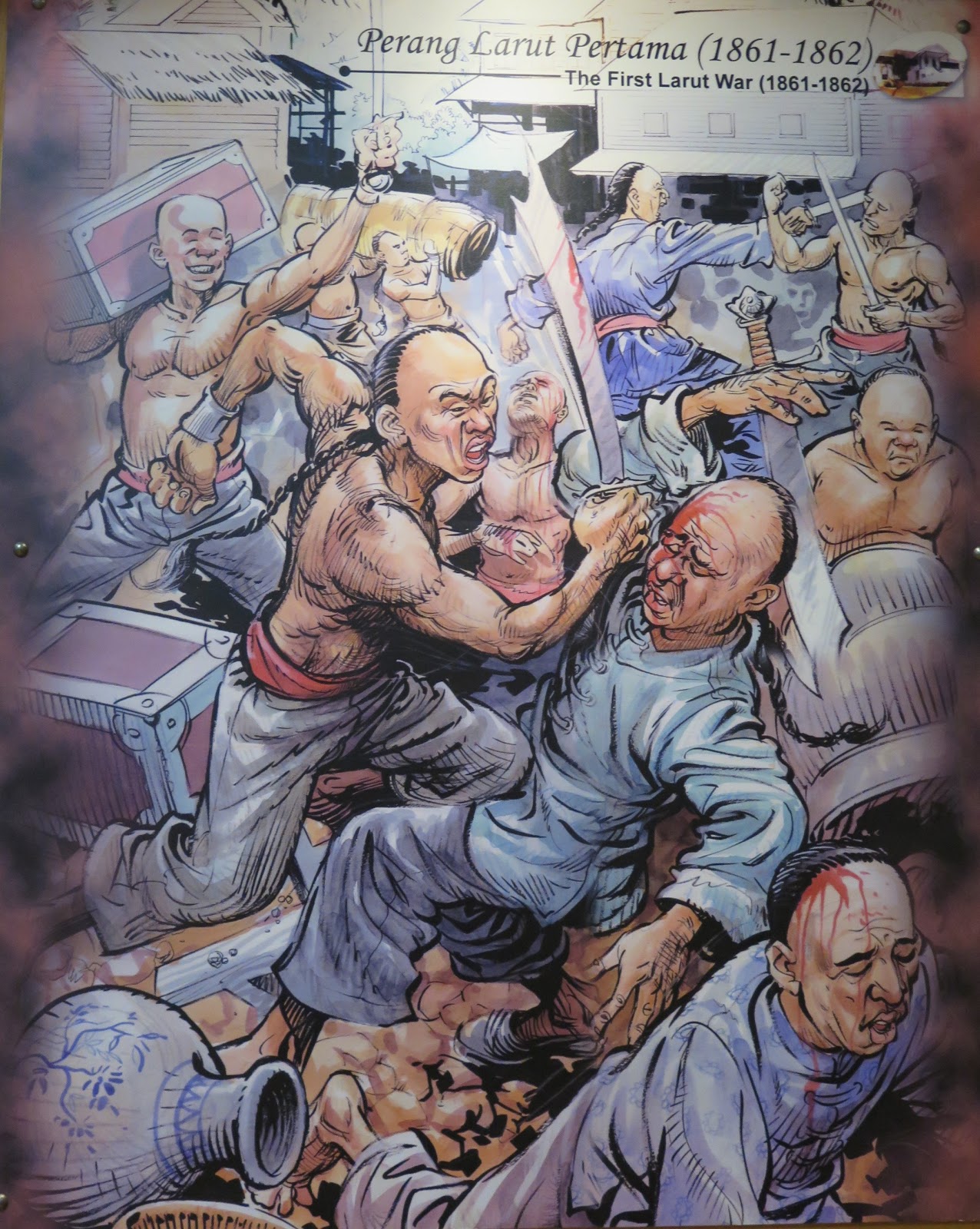
- The Hai San began attacking the Gee Hin and banished them out of Klian Bharu due to a disagreement over the control of watercourse to the mining area.
- This led to the first British intervention by William Orfeur Cavenagh, the Governor of the Straits Settlements.
- The war ended with $17,447 compensation was made to the Ghee Hin by the Mentri of Larut, Ngah Ibrahim on behalf of the Sultan of Perak.
1865 - Larut War II
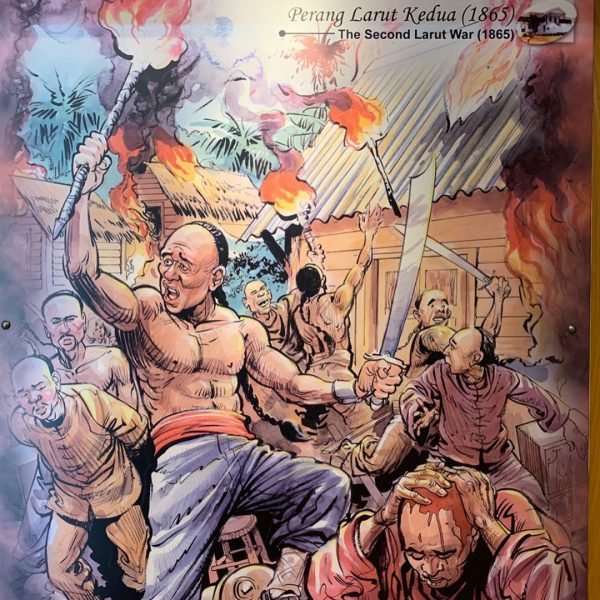
- A gambling quarrel happened in June triggered a series of fights between the Hai San and the Gee Hin.
- The two clans plundered, attacked every village and killed each other.
- The reciprocal fight continued and spread to Province Wellesley (now: Seberang Prai) and led to the island of Penang while other secret societies began to join the struggle.
- The war eventually ended in 1867 after both parties surrendered and came to terms. They were fined $5000 each for disrupting Penang and their leaders were exiled.
1872 - Larut War III
.jpg)
- After the Hai San regained control in Larut and Matang, the Gee Hin launched a tactical counter-attack by capturing strategic posts along the rivers and coast.
- They started to attack Ngah Ibrahim’s house and fort in Matang in order to eliminate the Hai San’s ally.
- The Malay village were attacked and many of them were killed.
- Heavy fighting spread to Kerian, Pangkor and Dinding.
- Ngah Ibrahim sought help from Captain Speedy to eliminate the Gee Hin by forming Perak Armed Police Force.
- The war eventually ended after the signing of Pangkor Treaty in 1974.
1874 - The Pangkor Treaty
- After the Larut turmoil, the Pangkor Treaty was signed between Sir Andrew Clarke, on behalf of the British, and Raja Abdullah in order to strengthen the Sultan of Perak power and influence.
- In the agreement, Raja Abdullah was obliged to accept the British officer as his advisor.
- Hence, the administration of Ngah Ibrahim was replaced by the British indirectly through the system of the Residency.
- J.W.W. Birch, the first Resident was appointed in Perak along with his assistant, Captain Speedy.
1875 - The Capital City of Perak
- The British chose Klian Pauh to be the administrative center of Perak because of the potential of tin mining in sustaining local economy.
- Klian Pauh was later renamed to Taiping which has meaning of ‘Everlasting Peace’.
1877 - The First Railway Line
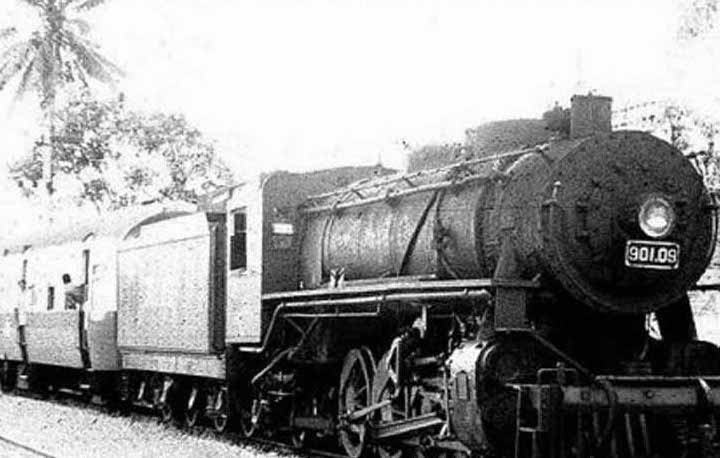
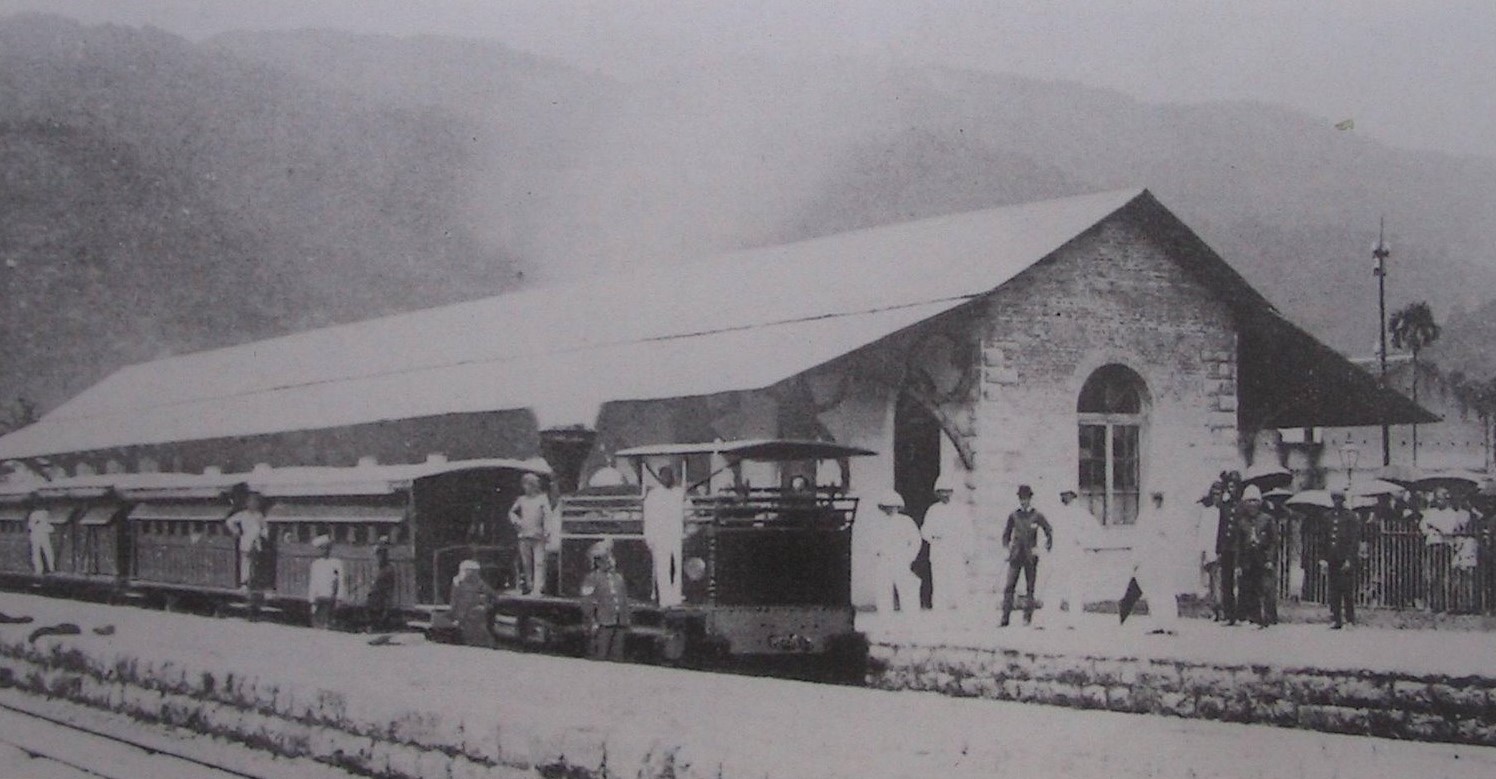
- The construction of the first railway in the Malay Peninsula began which connected Taiping and Port Weld to transport tin ore, previously delivered by elephants.
- Port Weld was opened at the same time as the most important port center for trading purposes, tin export and import provisions between the ports of Penang and the state of Perak.
- This railway saw a massive influx of Indian and Ceylonese immigrants to Taiping as they decided to work at the railway construction and rubber plantation.
1879 - Establishment of Government Capital
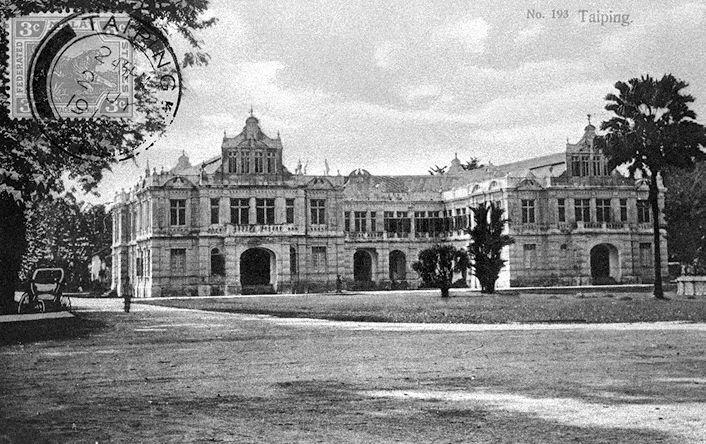
- Establishment of government offices began in Taiping as the administrative center of Perak.
- There were several government buildings and institutions established such as Taiping Gaol (now: Perak Prison), the first Residency, the Town Hall and the Public Office.
1880 - The Great Fire
- A huge fire broke out that burned down the entire city of Taiping.
- The fire easily spread the whole town because the buildings were made from wooden shacks and built close to each other.
- The narrowed corduroy road along the town also caused the fire spread aggressively.
- The British later rebuilt the whole town of Taiping with a proper town planning to prevent the incident from happening again.
1880 - Introduction of Grid Iron City
.jpg)
- The British rebuilt the whole town using the ‘grid iron’ system with the aims to prevent fire and improve sanitary line based on grid layout.
- Grid iron implied widened road design that acted as firebreaks.
- The main roads came out with 70 feet wide and 60 feet wide for the crossroads.
- Rain trees and Angsana trees were planted alongside the road to control the temperature within town.
- Town Police Station was established at the heart of the city to provide immediate response if a fire occurs.
1880 - Maxwell Hill Development
- Taiping development resulted a migration of European to Taiping to worked as government servants and pioneered engineer.
- Maxwell hill (now: Bukit Larut) was developed as the British retreat house and resort for European settlement.
- The climate of the Maxwell hill is similar to the climate of their origin country.
1880 - The First Hospital
.jpg)
- The biggest hospital was built by Chinese mining community to help the poor due to various diseases outbreak such as beri-beri, malaria, diarrhoea, cholera, dysentery, and pulmonary.
- The hospital which named as Yeng Wah Hospital was the first and one of the biggest hospital established in Malay Peninsula located at Taming Sari Road.
- The hospital later renamed as Hospital Taiping.
1883 - Establishment of Central School
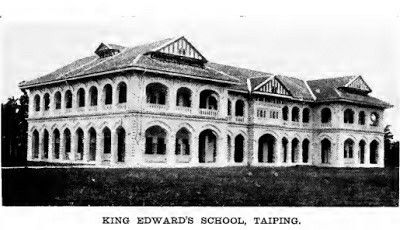
- A premier secondary school of boys was established in Taiping which later renamed as King Edward VII School in honor of England’s new throne in 1901.
- The school performed well in football, cricket, rugby, gymnastics and army cadet force competition led by the headmaster, Roger Francis Stainer.
- During WWII, the school building was used as Japanese army headquarter during 1942 until 1945.
1884 - The Old Market
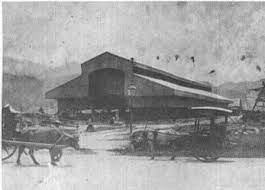
- The first market built in Malay States located at Market Square, the center of Taiping town by Sir Frank Swettenham.
- The market stocked with wet and dry food supply like fresh vegetables, fish and meat.
- The market has its own unique architecture as it made from non-indigenous historic timber structure in Malaysia.
1885 - The First Railway Station
- The Taiping railway station of Taiping–Port Weld line was opened.
- This first railway station was located at King Edward VII Primary School now stands.
- During WWII, the school building was used as Japanese army headquarter during 1942 until 1945.
1890 - The Depletion of Tin
.jpg)
- Tin mining activity was no longer operate because of the exhaustion.
- It resulted in the population in Taiping decreasing as many Chinese miners migrated to Ipoh for new mining activities.
- After that, the economy of Taiping at that time highly depended on rubber plantation.
1890 - The First Esplanade
- The esplanade was opened for military uses like parade, drill exercise and processions as the field located at the center of army barracks
- The esplanade now is used for sports events like football tournament.
1890 - The First Clock Tower
.jpg)
- The first clock tower in Malay States was built at the center of Taiping town, replacing the police and fire station.
- The tower construction material was made from timber, but it was rebuilt using concrete and bricks nine years after.
- After that, the economy of Taiping at that time highly depended on rubber plantation.
1929 - The First Airport
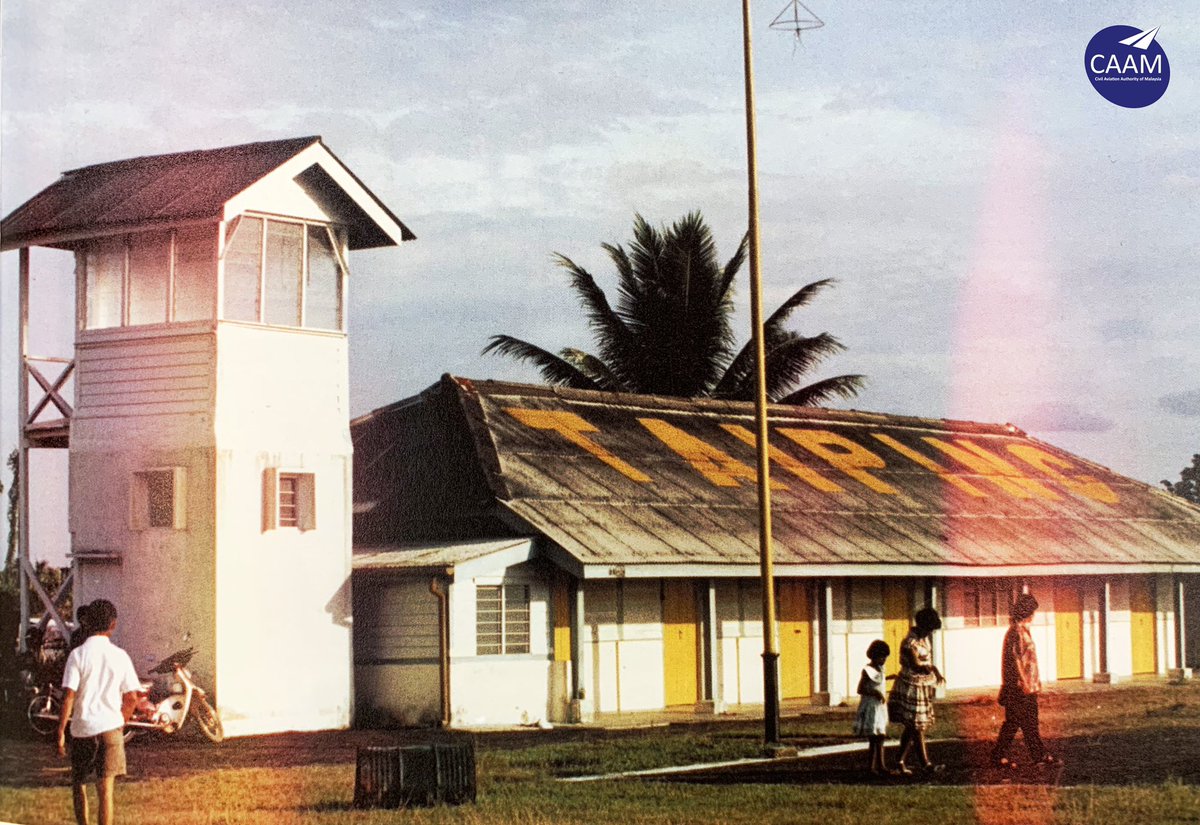
- Taiping Aerodrome was built as one of the earliest airports in Malay States.
- It served both commercial and military purposes.
- The airport is no longer operated and conserved. It considers as precious lost heritage in Malaysia.
1937 - The New Capital City of Perak
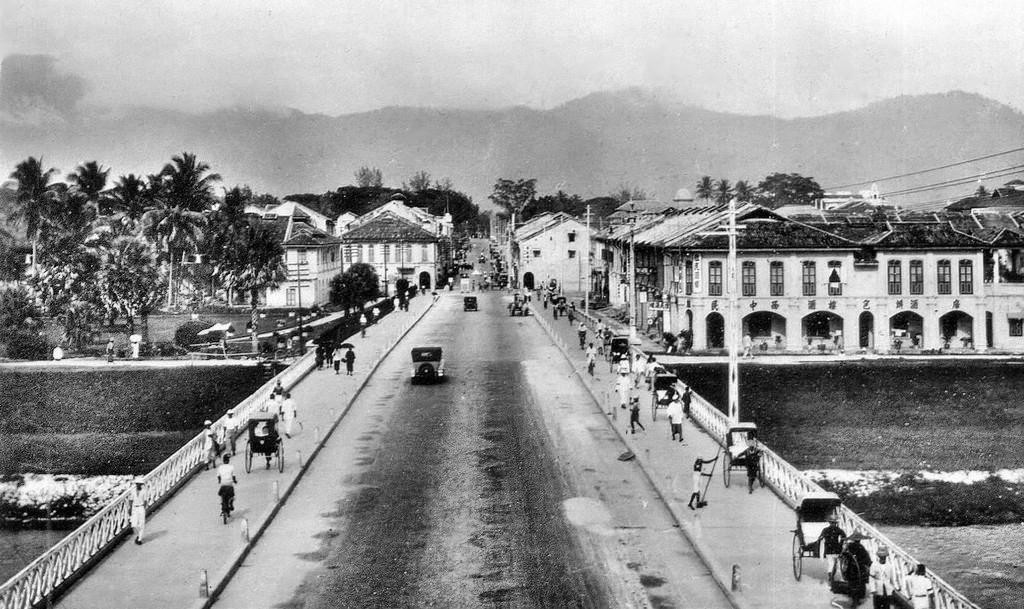
- Taiping was no longer as thrive as before since the depletion of tin mines.
- Sir Hugh Charles Clifford decided to change the administrative center of Perak from Taiping to Ipoh because of the rapid development in Ipoh.
- The building developed by the British in Taiping became one of the oldest historical monuments in Malaysia which became a tourist attraction.

.jpg)
.jpg)

.png)

.png)