Jalan Taiping – Kuala Sepetang, 34650 Kuala Sepetang, Perak
Area
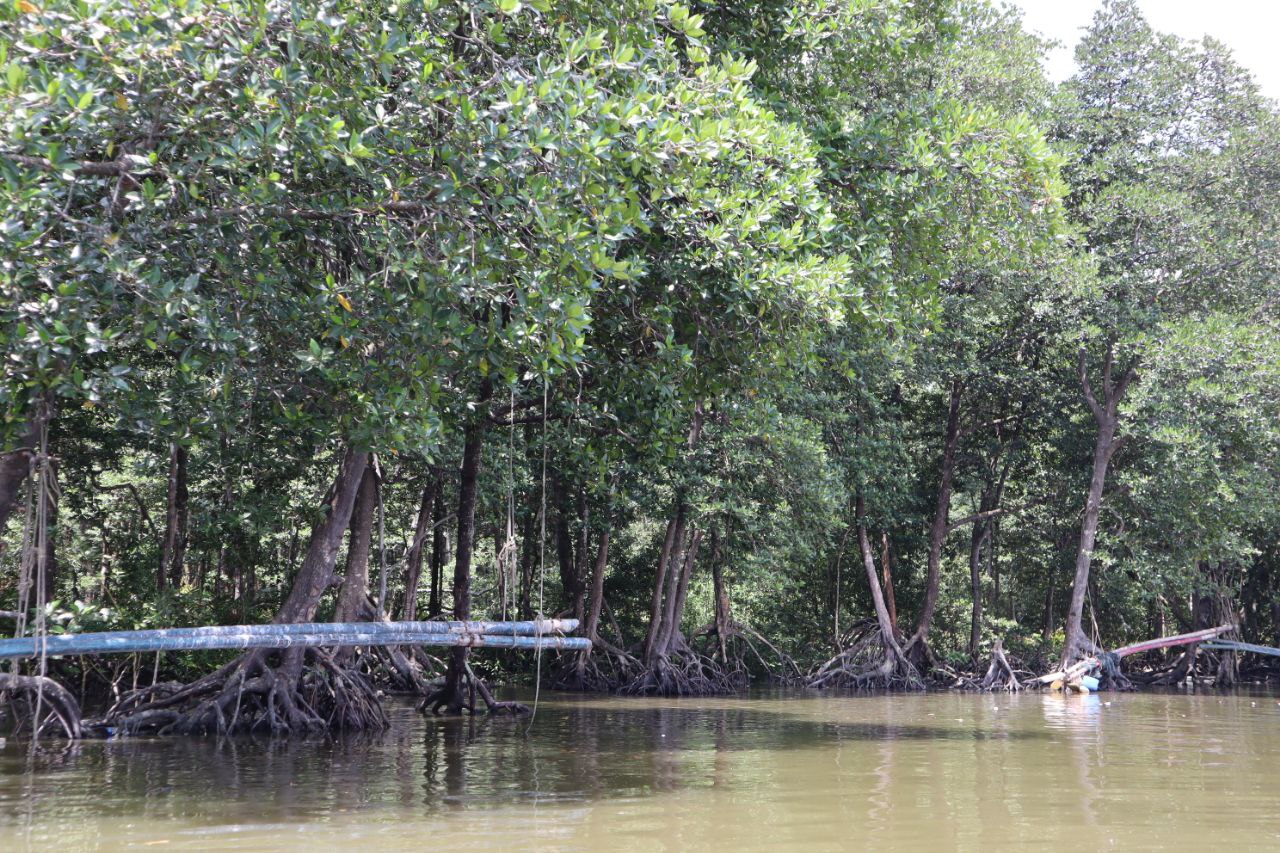
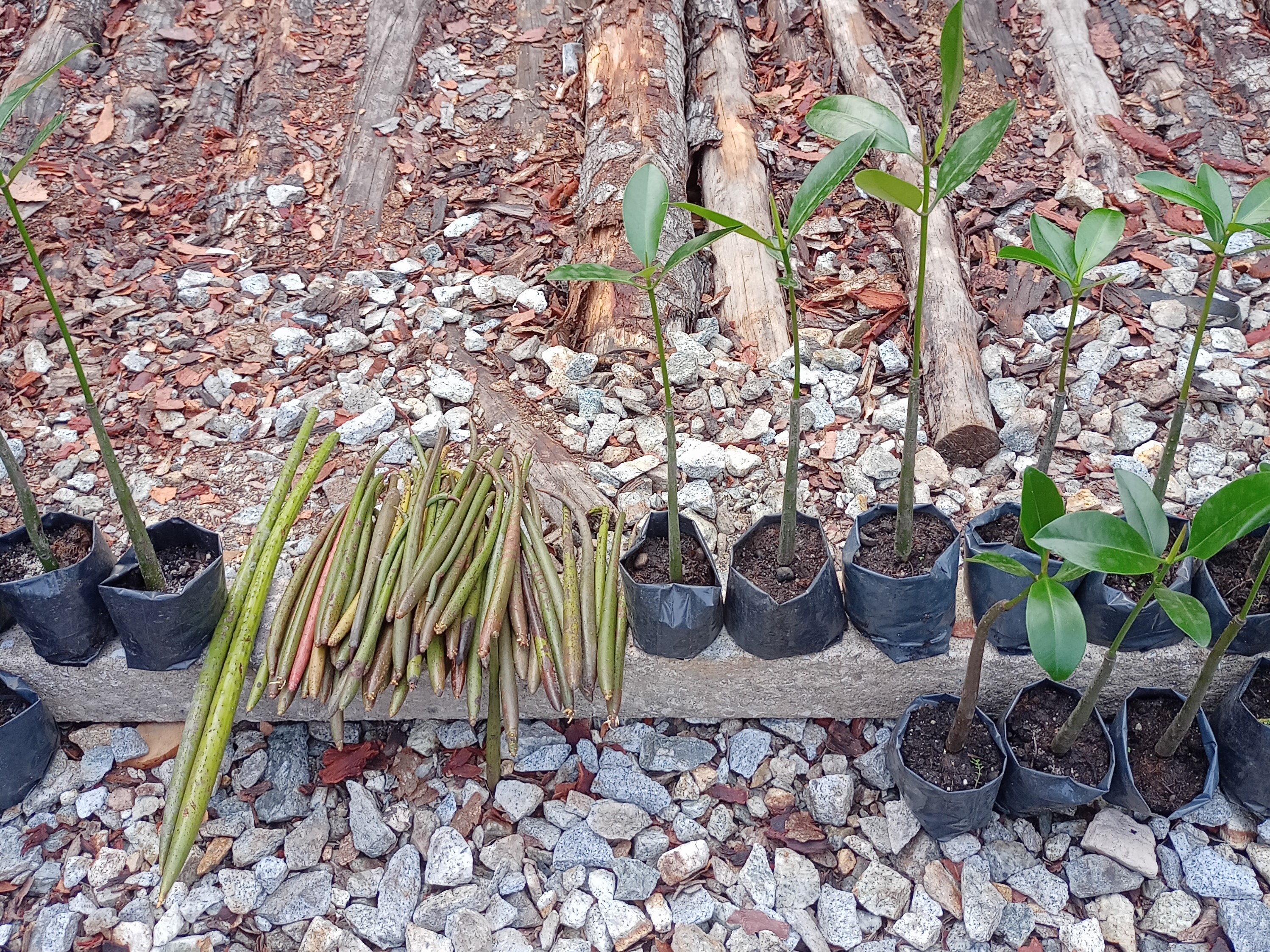
Matang Mangrove Forest Reserve (MMFR) is the largest mangrove forest reserve in Malaysia with an area of about 40,000ha.
Background
Established in 1992 and is managed by the Perak State Forestry Department.
100 years of management history. Global recognition as one of the best-managed mangroves in the world, with remarkable sustainable forest management.
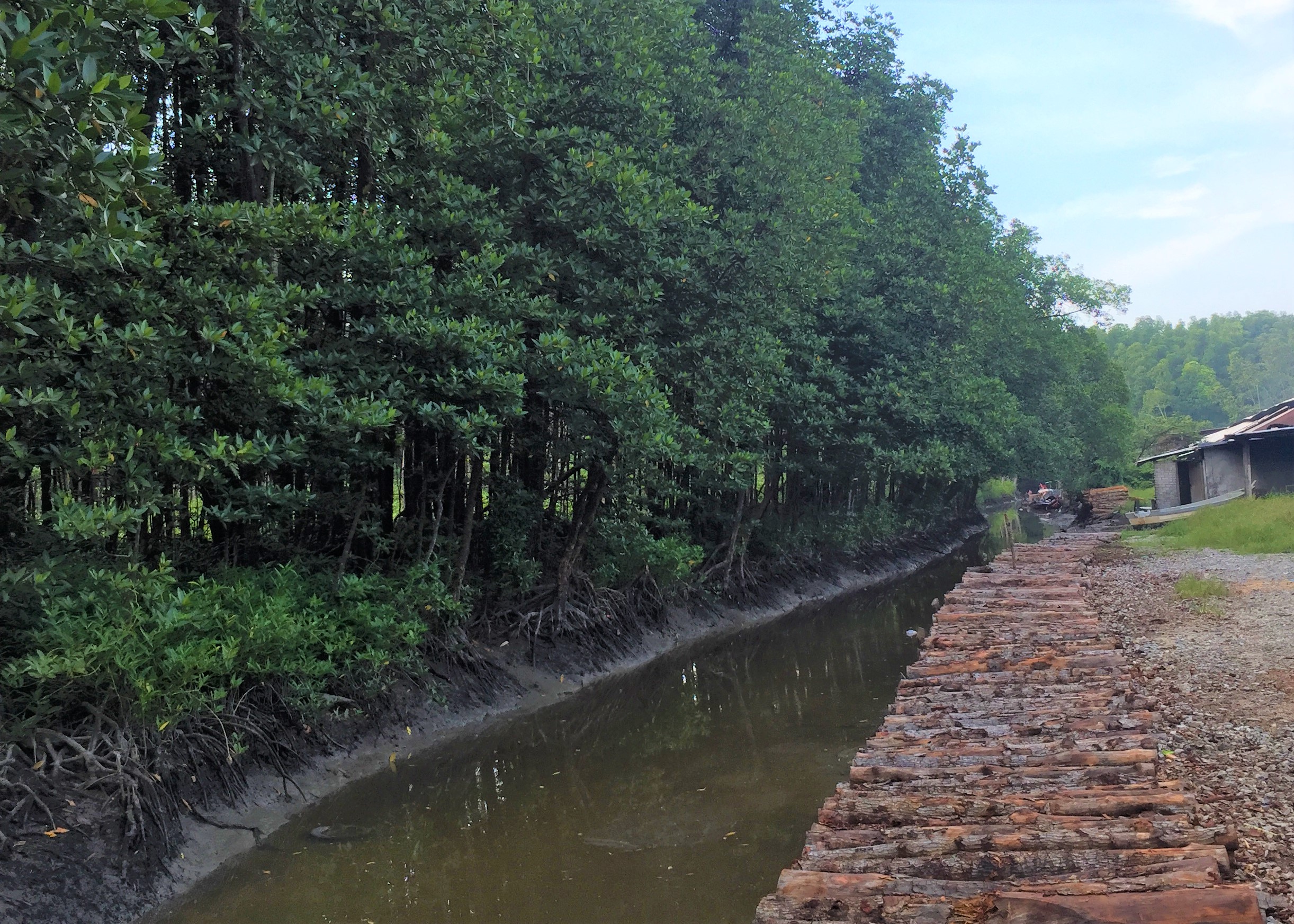
80% of the area is managed through sustainable-yield production system, with a 30-year rotation cycle to produce charcoal.
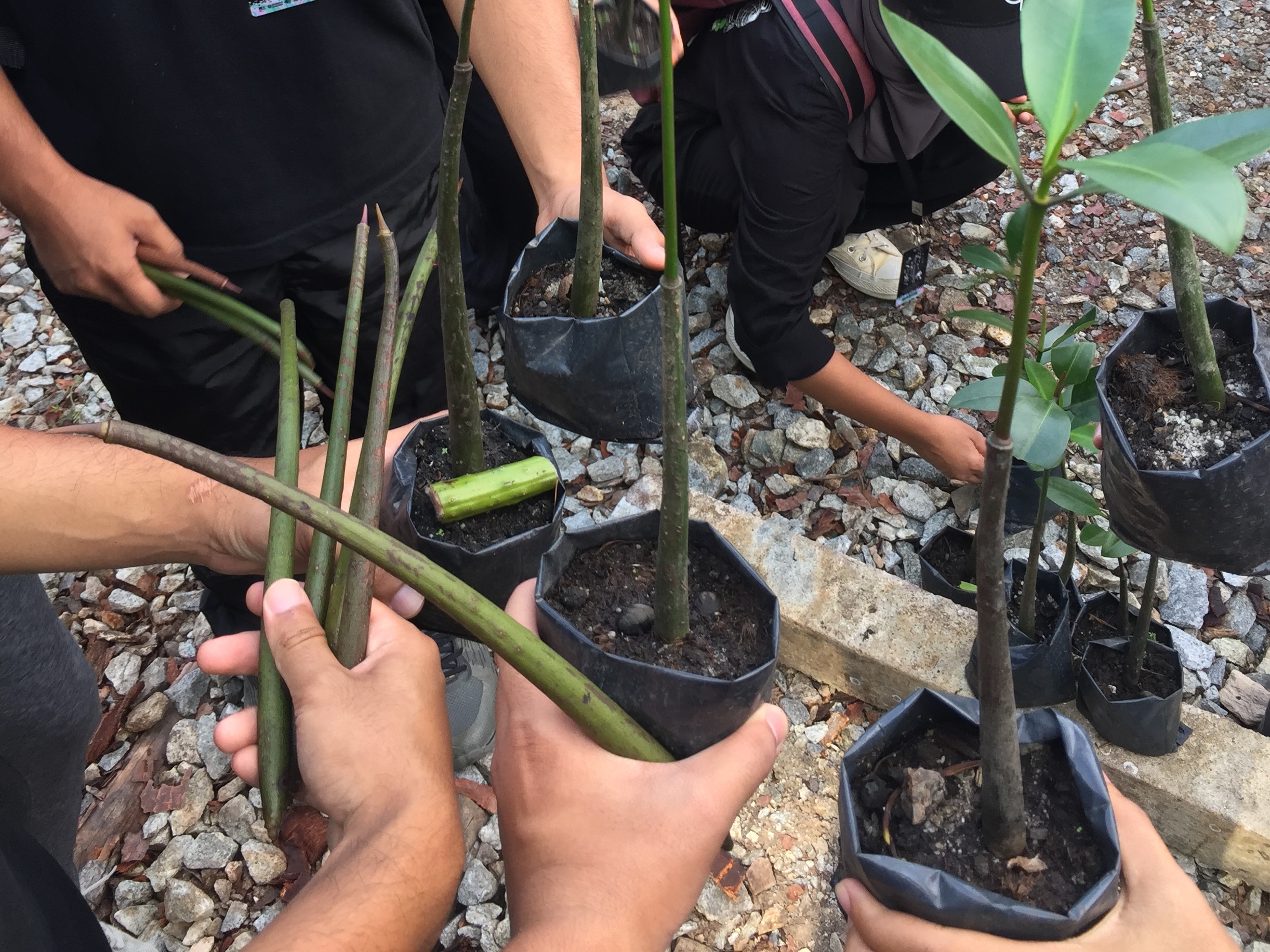
Common species of Rhizophora apiculata followed by Avicennia and Sonneratia.
Significance
Aim to provide recreational facilities, eco-tourism opportunities and improve public awareness regarding the importance of forestry. Became a centre for researcher and education activities
Became a centre for researcher and education activities
The reserve is an important site for coastal migratory water birds and migrant forest birds and also a resting place for migratory birds like the Milky Stork, which comes from as far away as Siberia.
The Matang Mangrove Reserve are becoming one of the major tourist attractions of the region
Activities Provided
Visitors can learn about the mangrove ecosystem while strolling along a zigzag boardwalk through a stretch of mangrove forest filled with various flora and fauna.
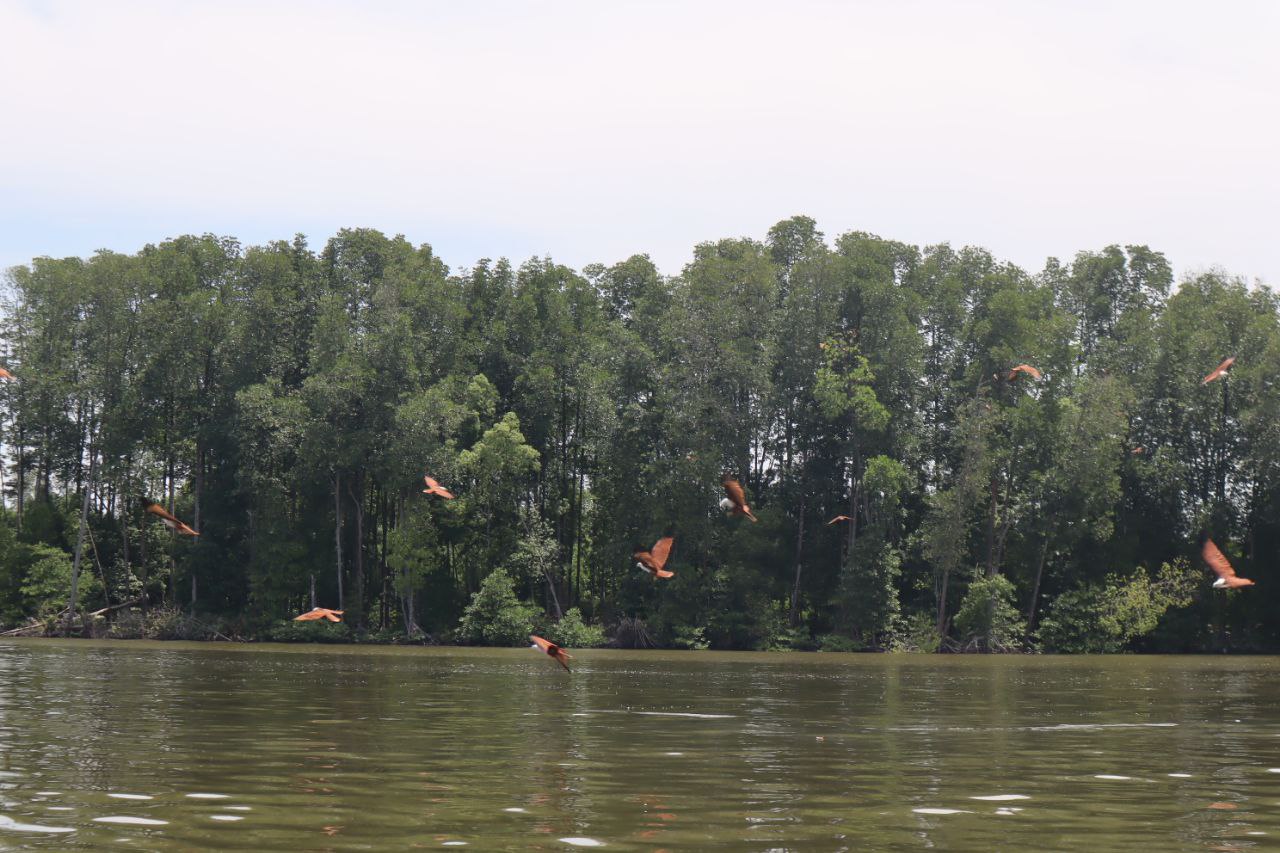
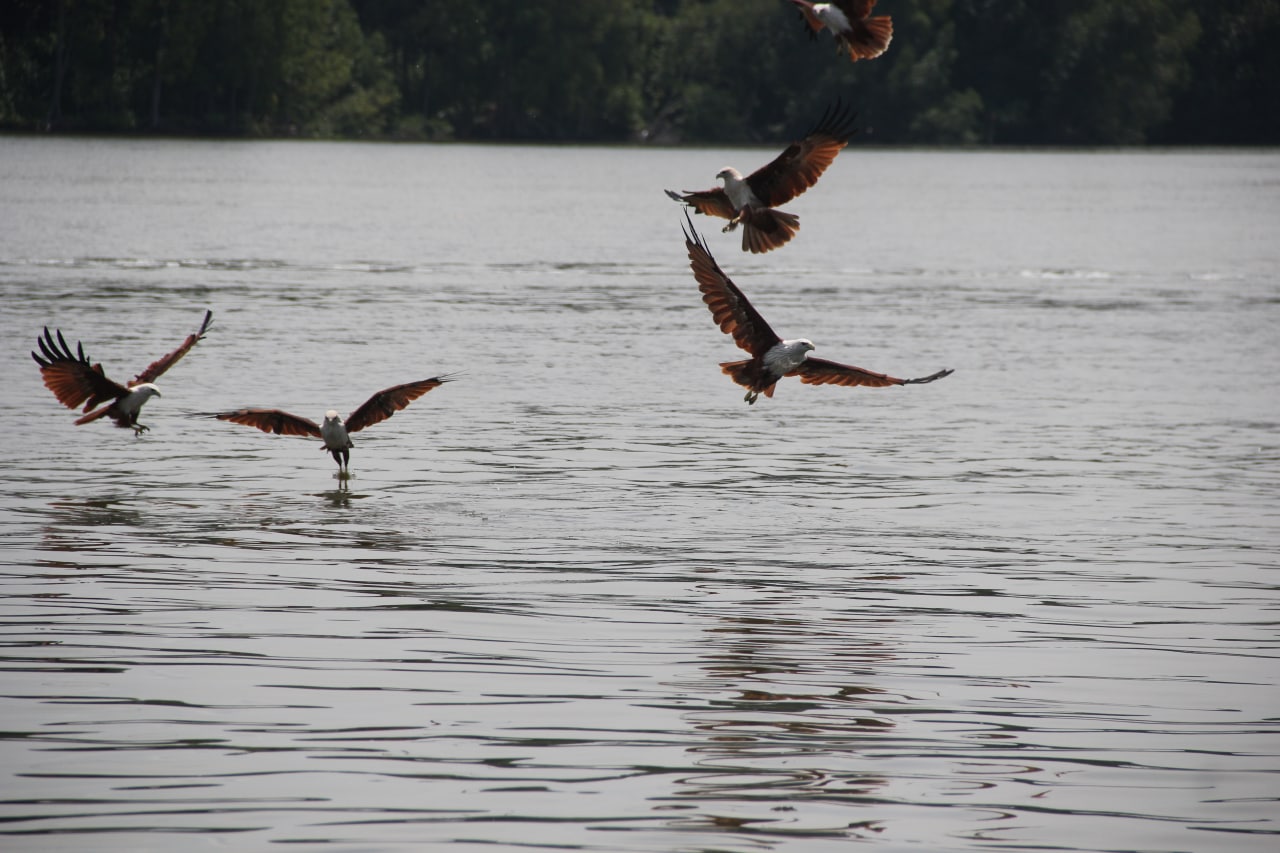
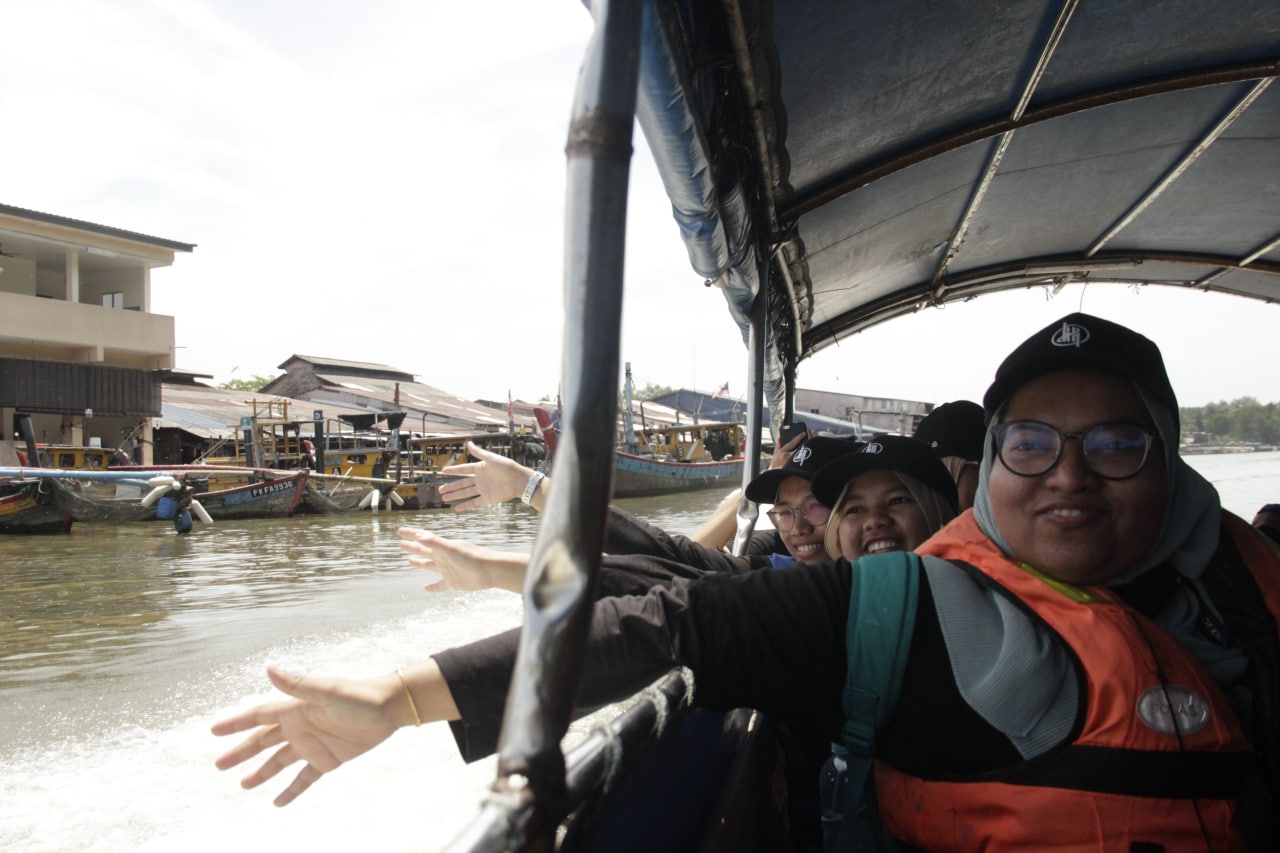
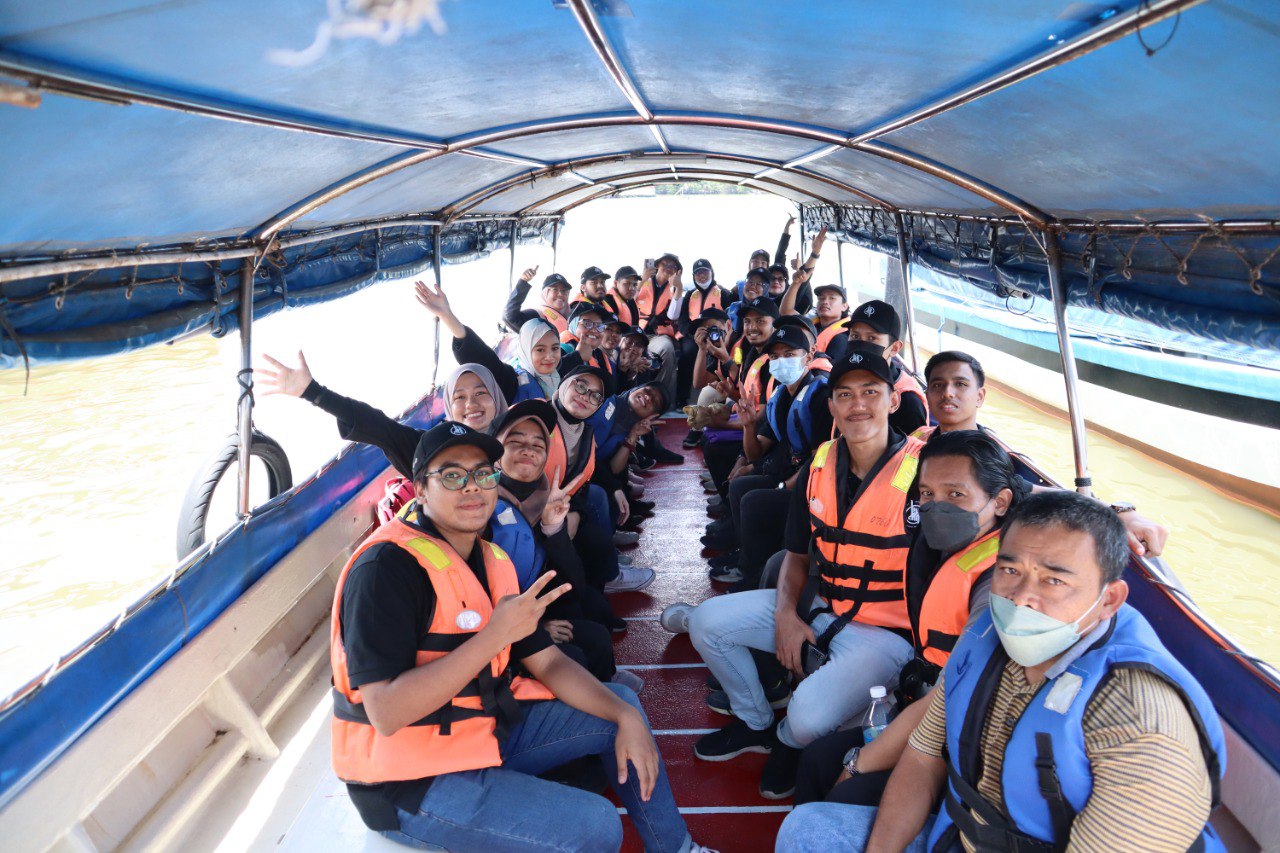
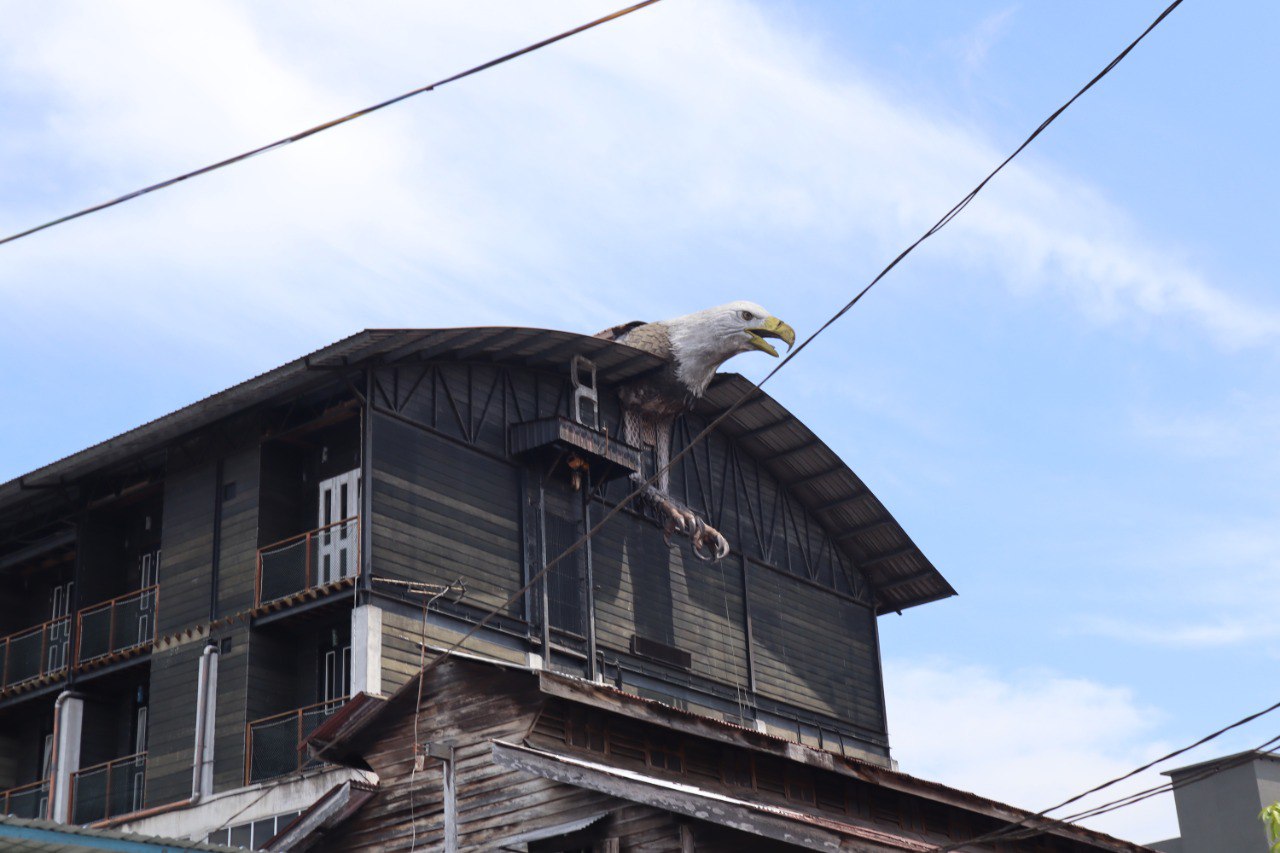
Allow visitors to ride a boat at the jetty house to nearby attractions such as the Kuala Gula Bird Sanctuary, fishing villages, a fish farm, an eagle show, a dolphin show, and a nightly display of mesmerising fireflies.
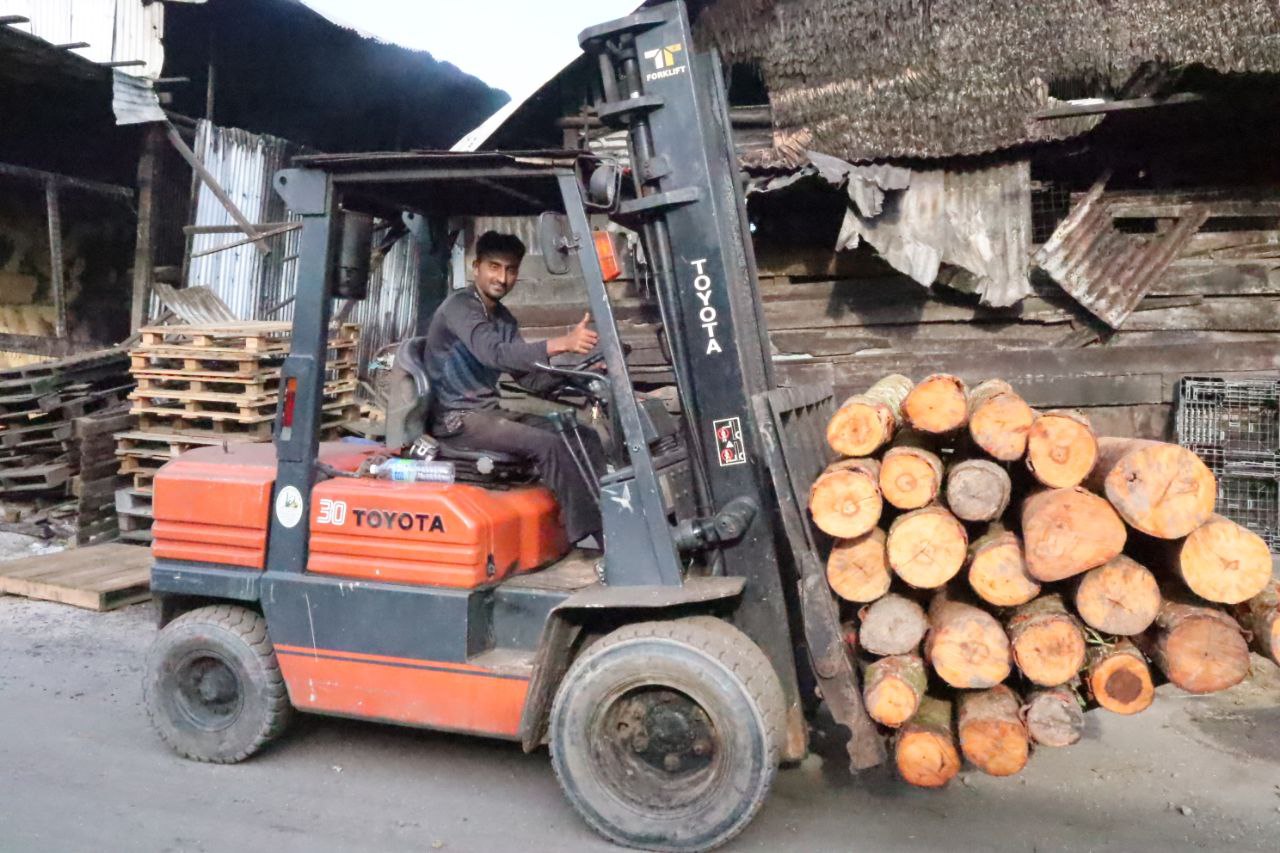
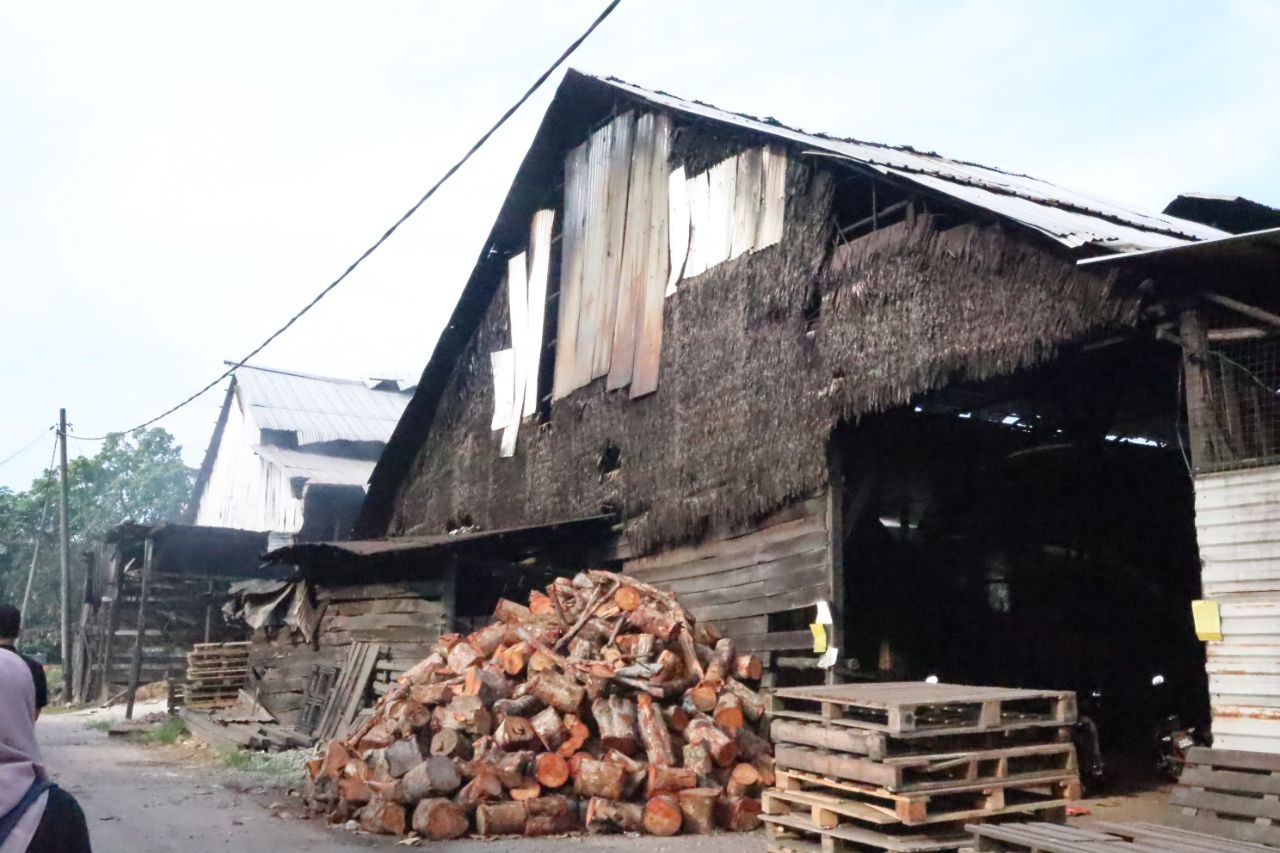
Charcoal Factory
Background
Located in Kuala Sepetang, formerly and better known as Port Weld.
Established in 1930, it is the country’s oldest charcoal factory internationally
Currently, it is estimated that 144 charcoal manufacturers and more than 300 stoves are still in business in Kuala Sepetang.
Significance
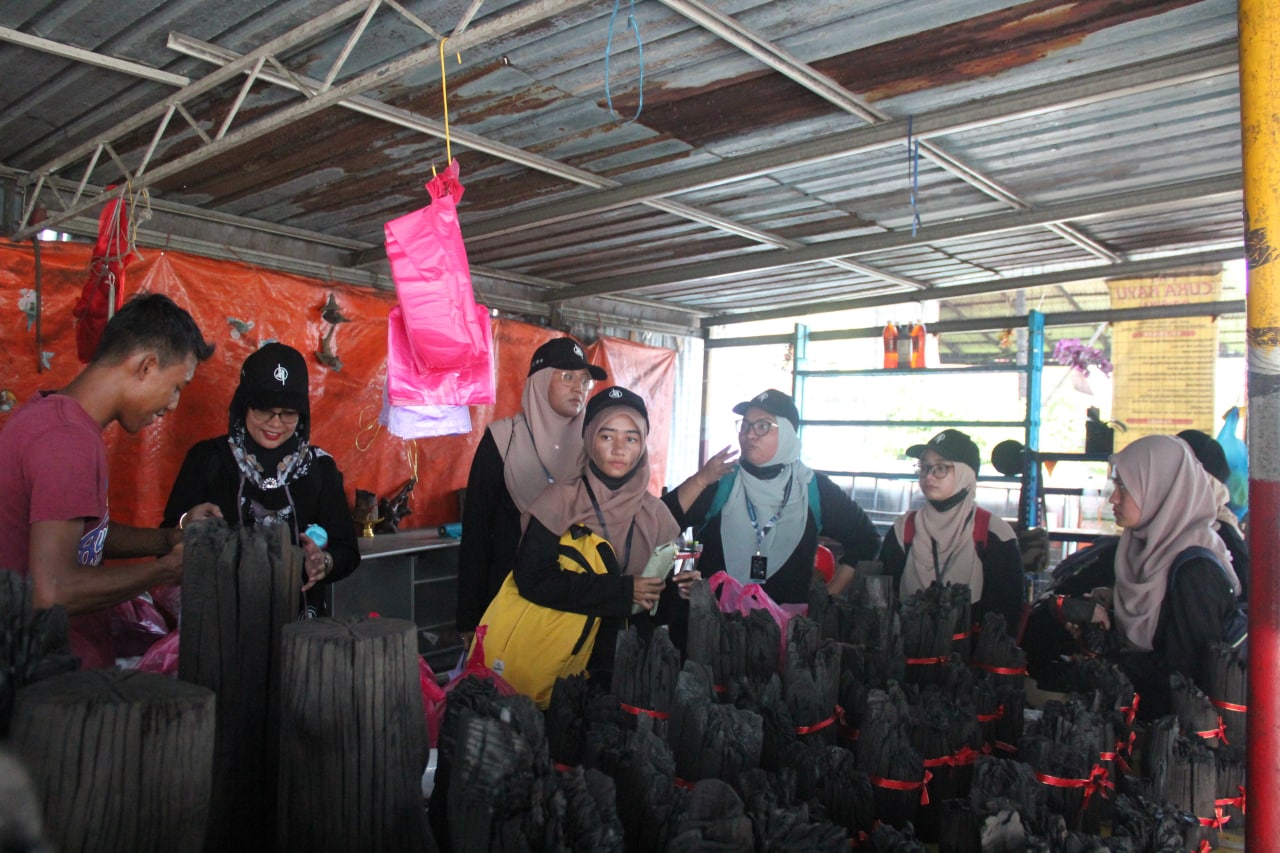
Almost 70% of the charcoal production in Kuala Sepetang gets imported to two East Asian countries while the rest are sold locally.
Acknowledged as one of the charcoal factories in Asia for almost eight decades. Shigh demands locally and internationally.
Charcoal Process
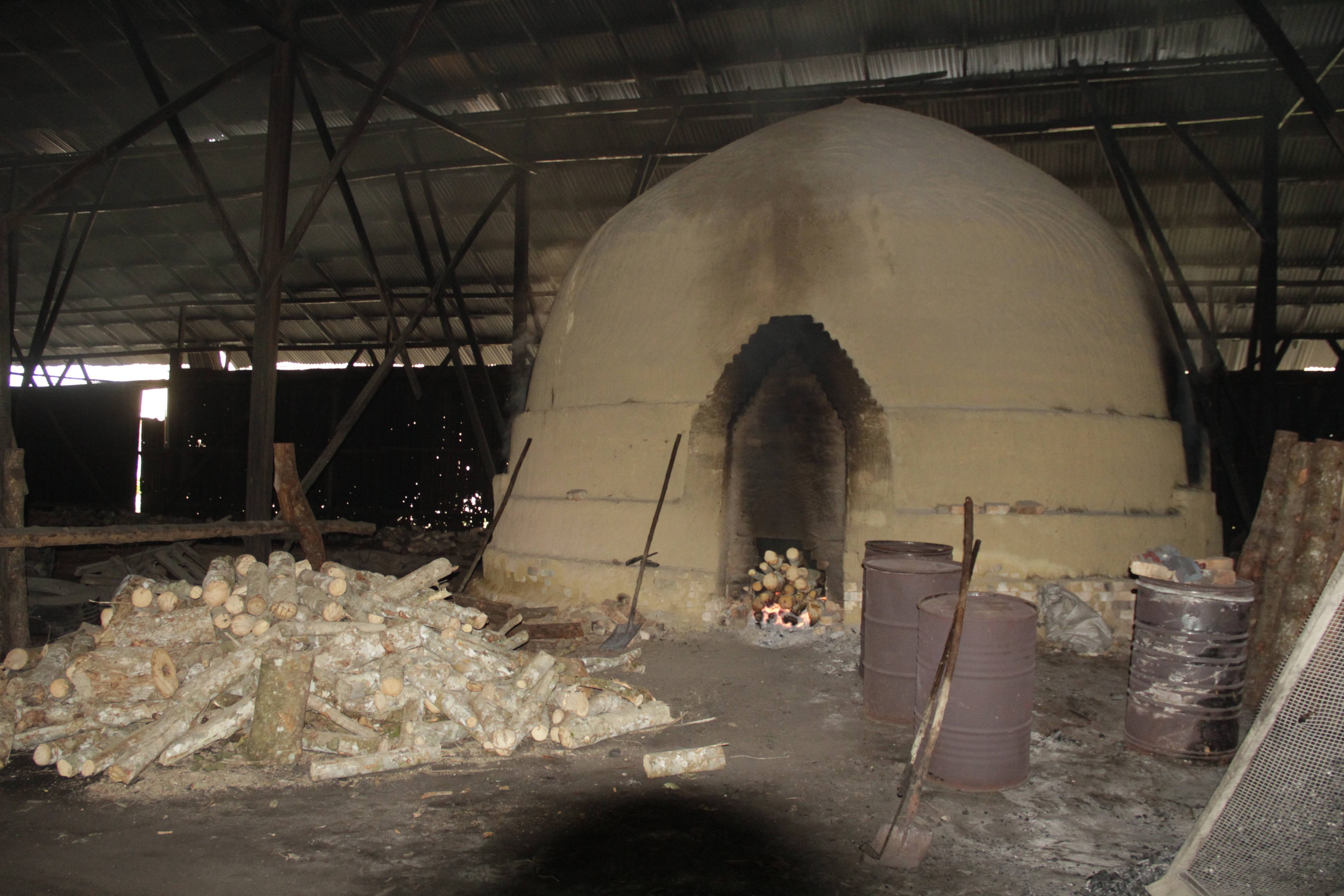
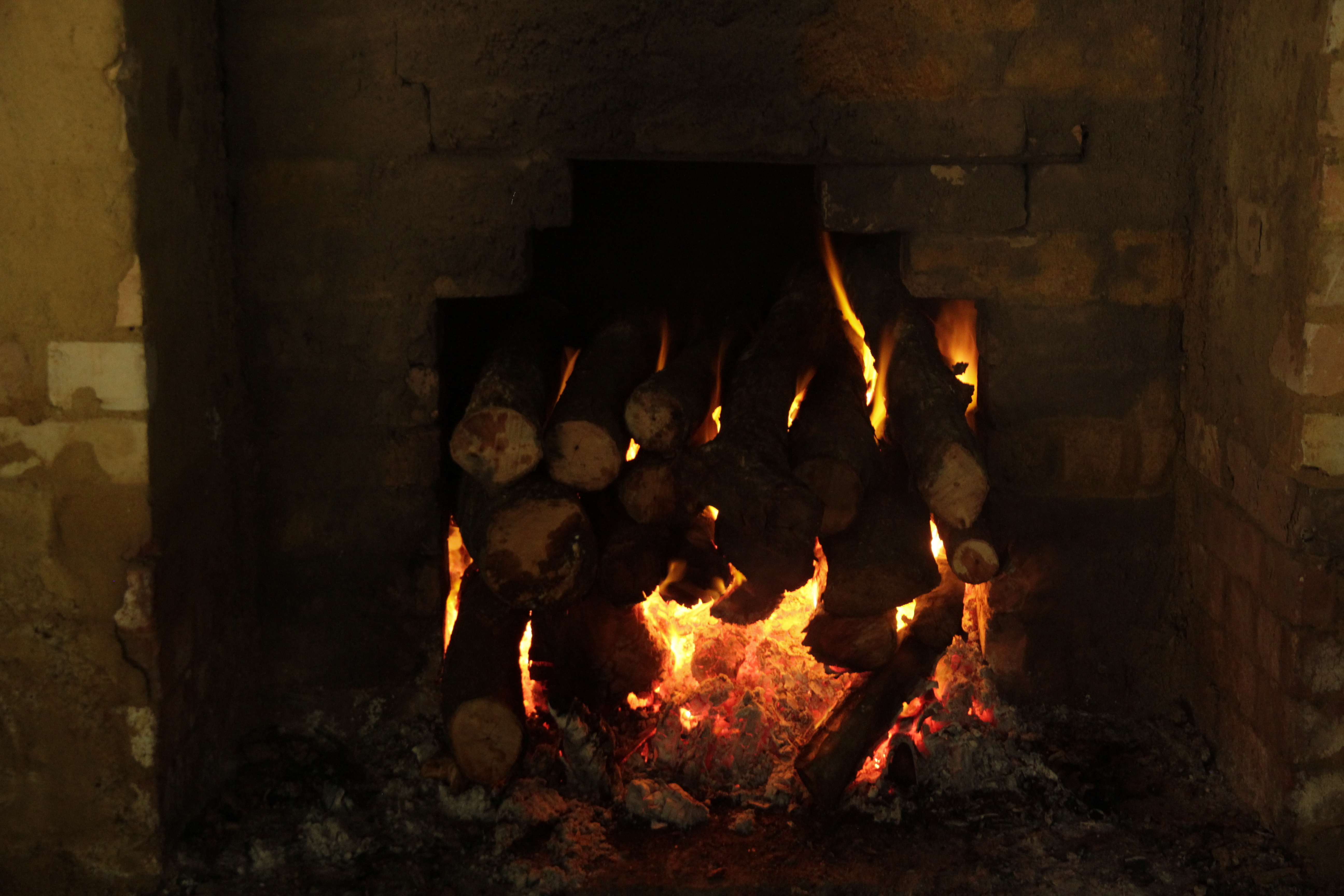
The charcoal-making process involves a three-stage process to transform into charcoal. They are the Major Firing, the Minor Firing and the Cooling. The high heat removes the water content in the wood. The process is involve smoked out rather than being burnt out which eventually gives a shine to the charcoal.
The Kiln
The kiln is igloo-shaped all 7m in height by 6.7m in width. The construction of these kilns involves the use of bricks plastered with very fine clay and sand to seal the kiln completely.
Fisherman Village
Background
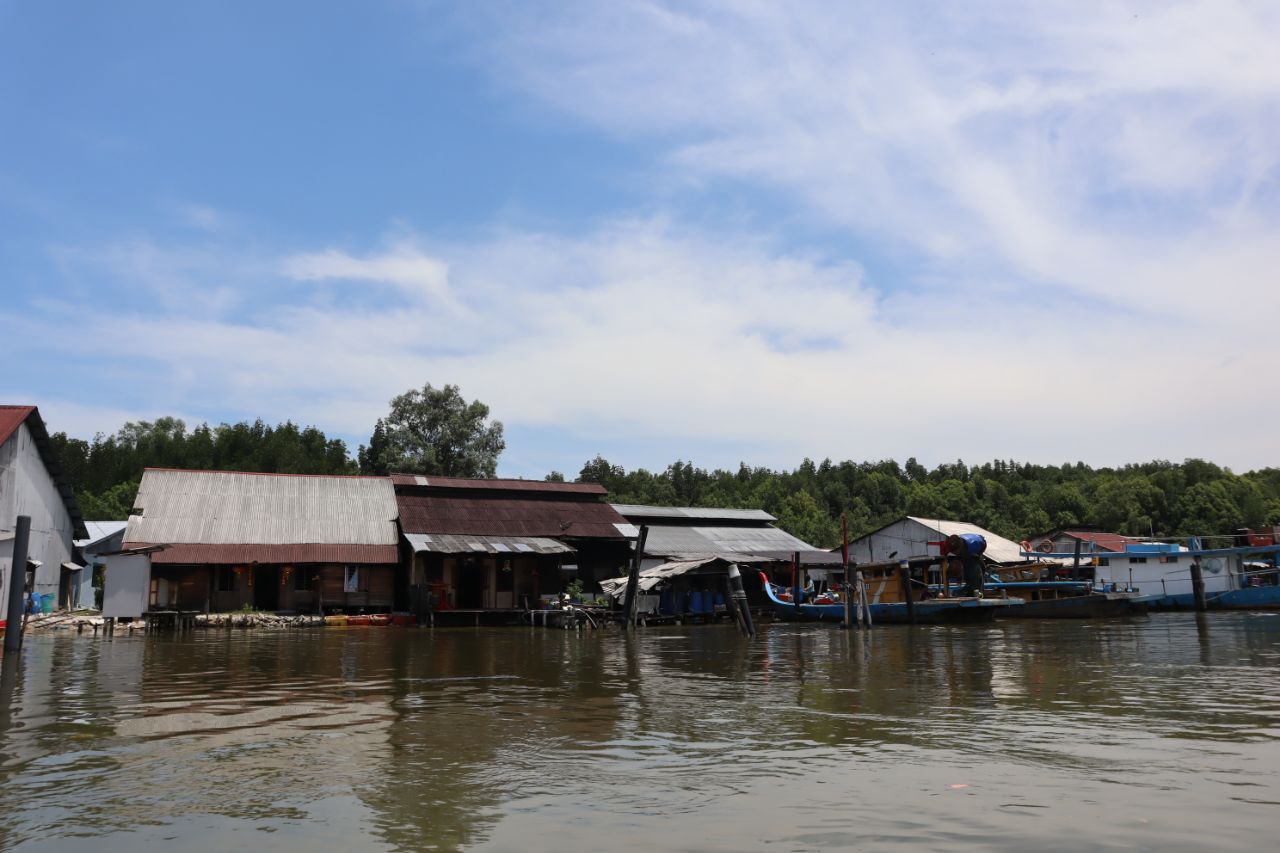
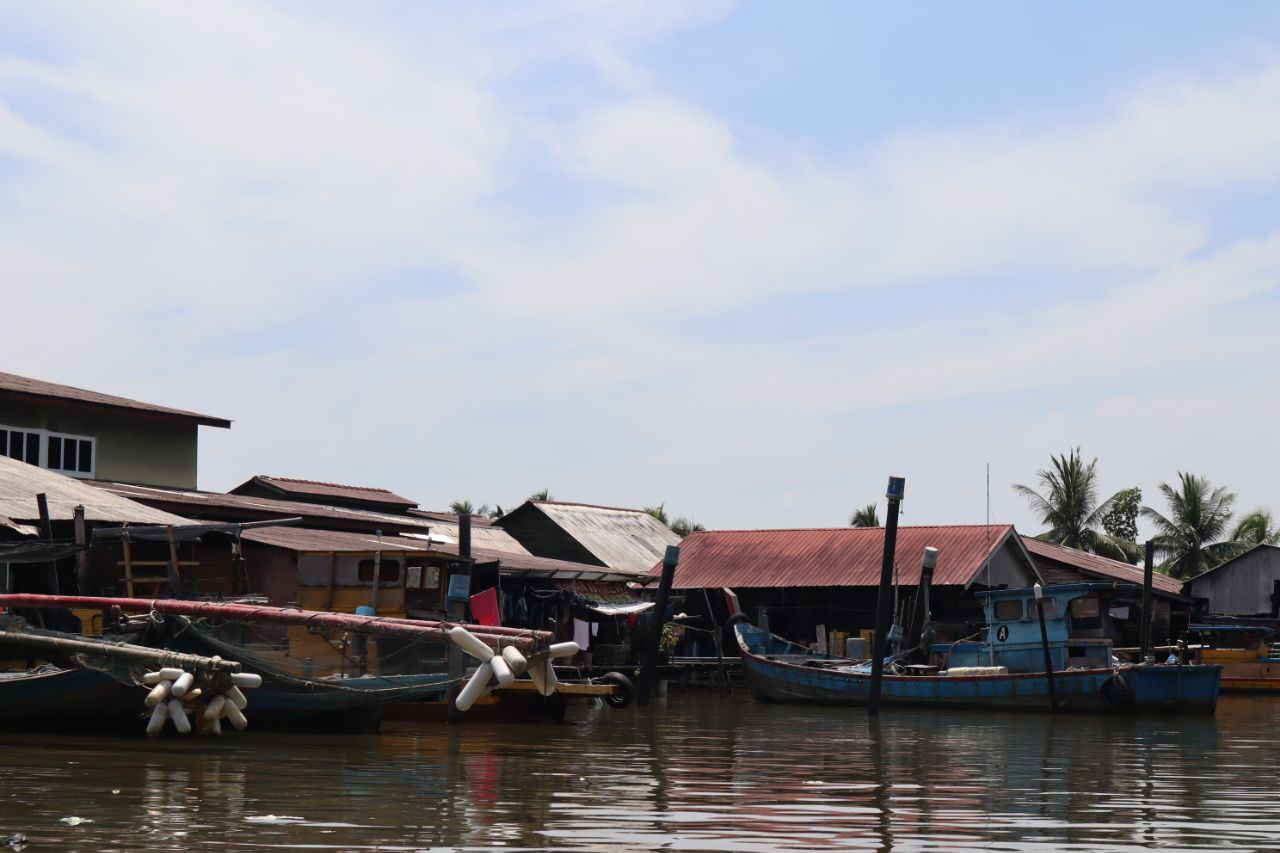
Across the river is a smaller village of Kampung Seberang that consists of a narrow road with wooden houses on both sides. Most residents here are fishermen.
Kampung Seberang is only accessible by boat. However, the recent construction of a 110-meter bridge now allows pedestrians and motorcyclists to cross the river.
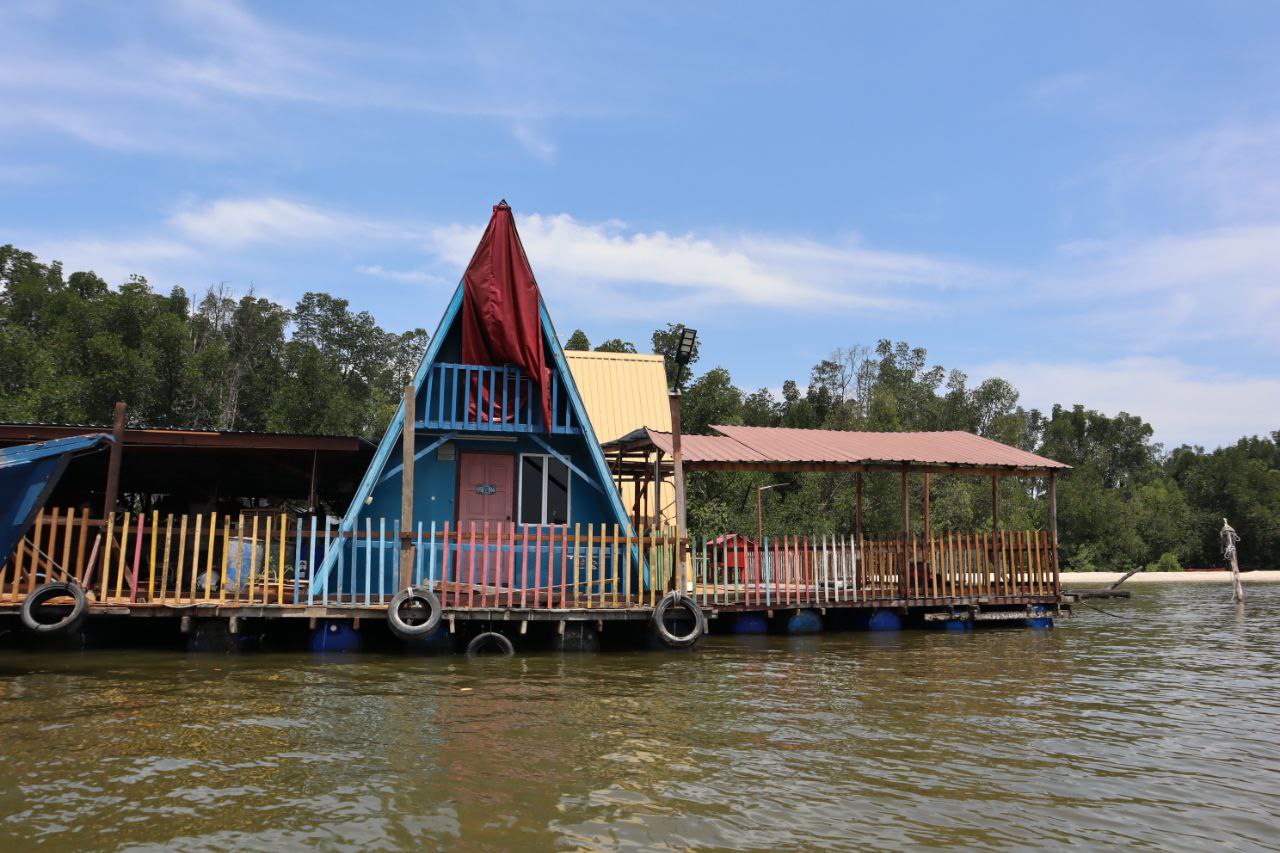
Kuala Sangga is a remote village at the river mouth. Most residents are fishermen or operators of fish farms, and the houses are built on stilts over water. As the village is not connected to the mainland by land, it has neither electricity nor running water. Therefore, most villagers rely on portable generators and rainwater instead.
Significance
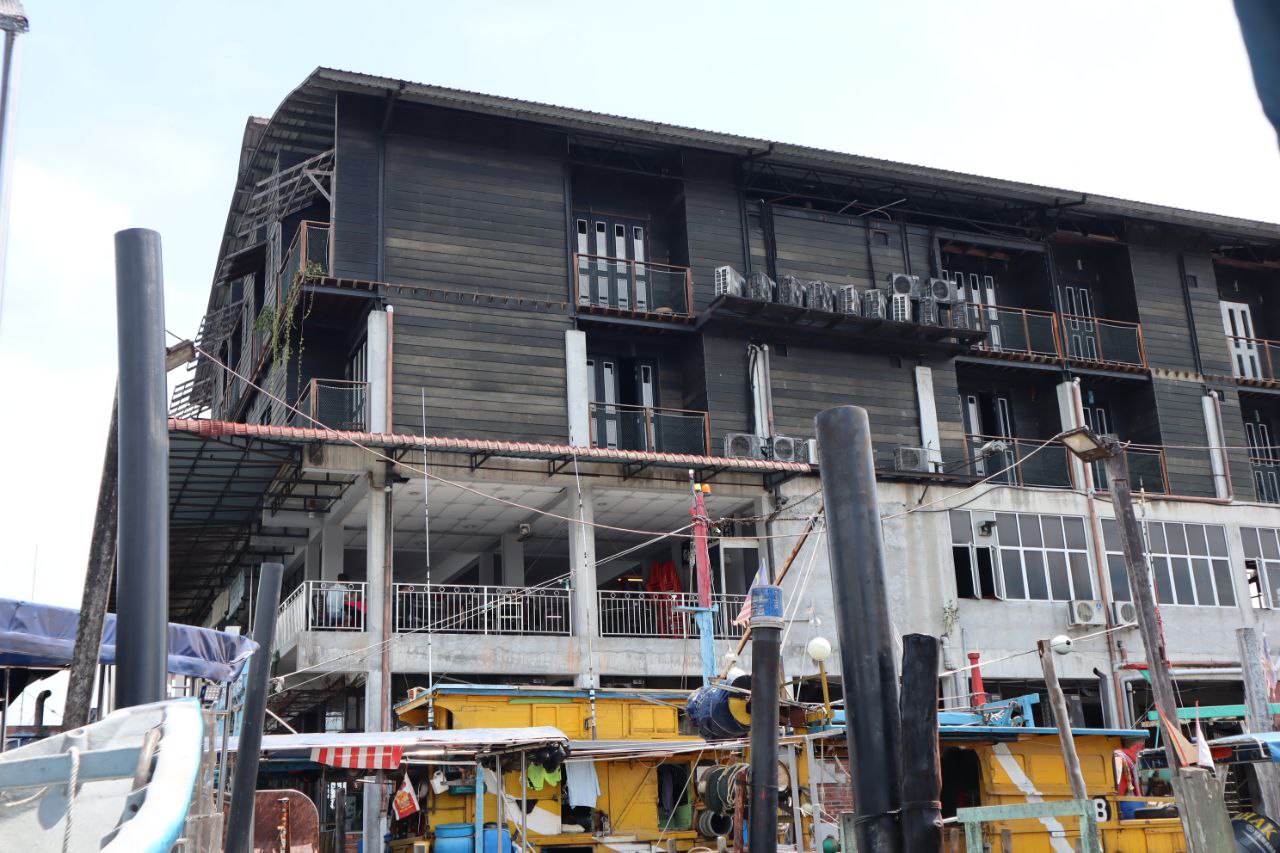
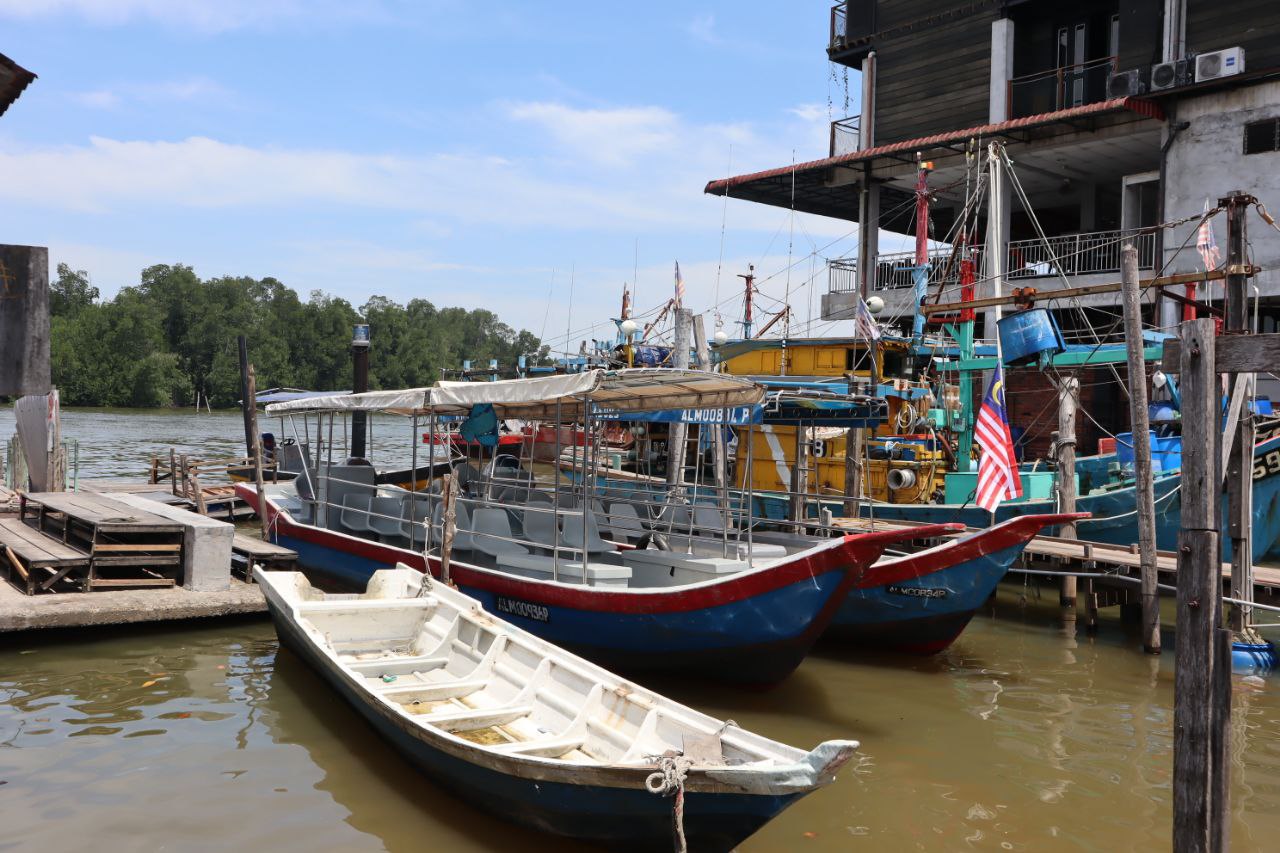
Exploring Kuala Sepetang by boat provides a different perspective of the fishing village where visitors can see many fishing boats docked next to their homes during the day.
Fisherman village is important for fish farming and cockle-harvesting center.
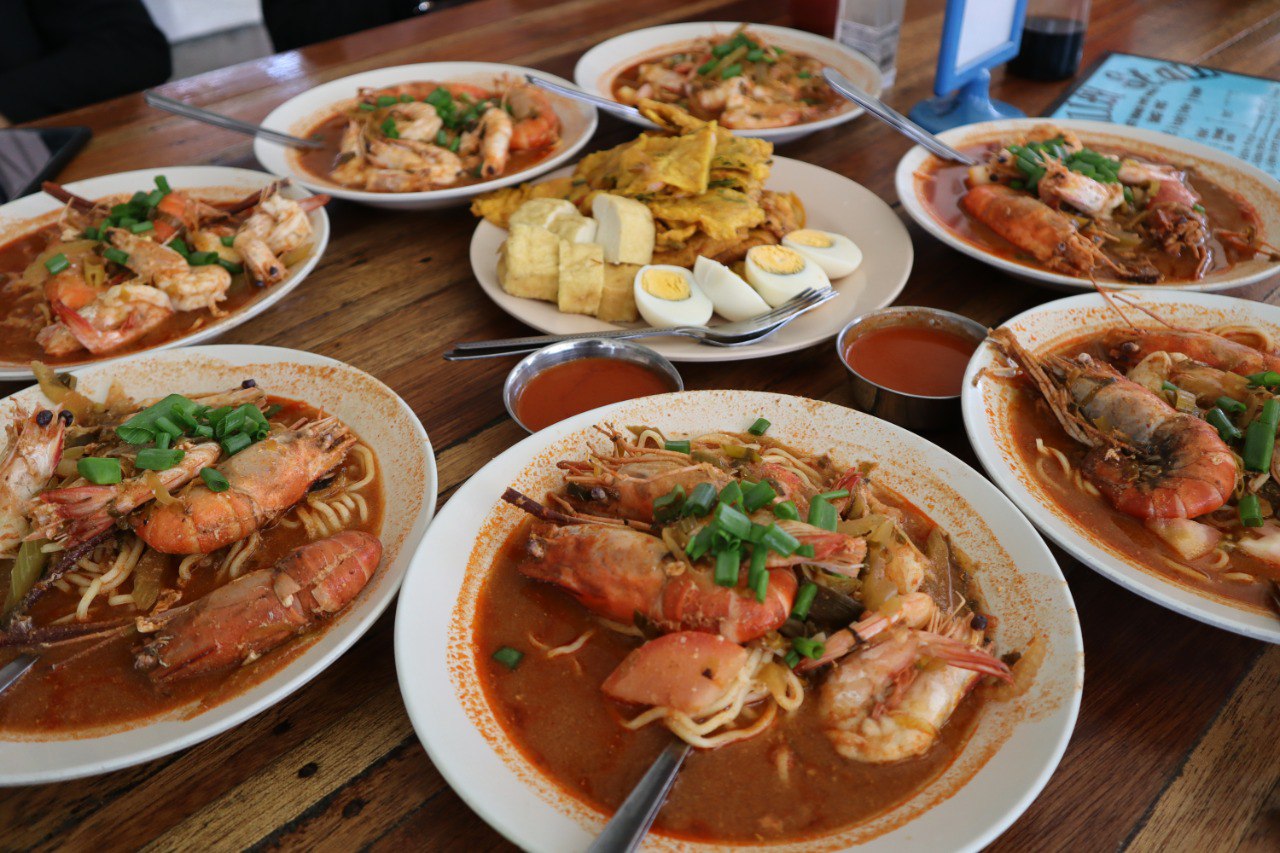
The riverbanks are lined with busy seafood restaurants.
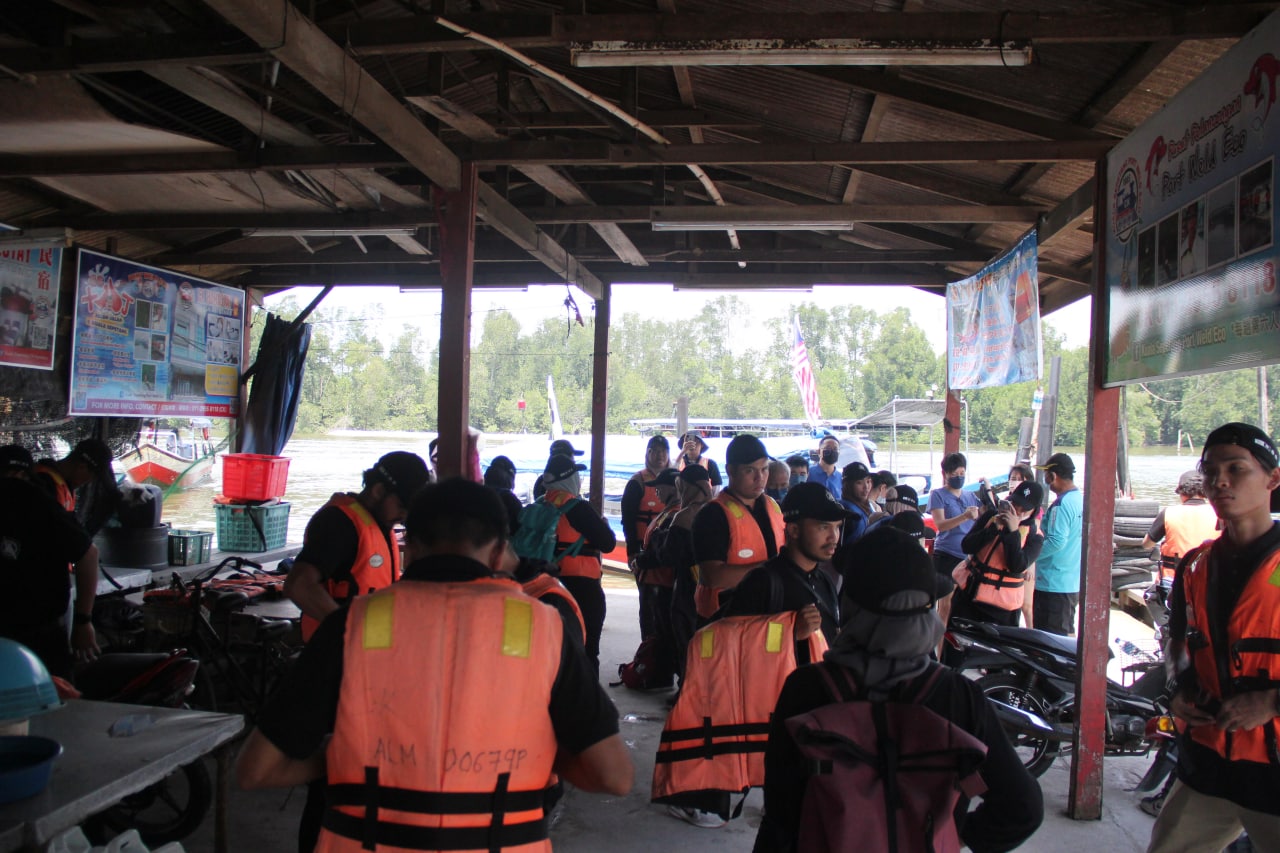
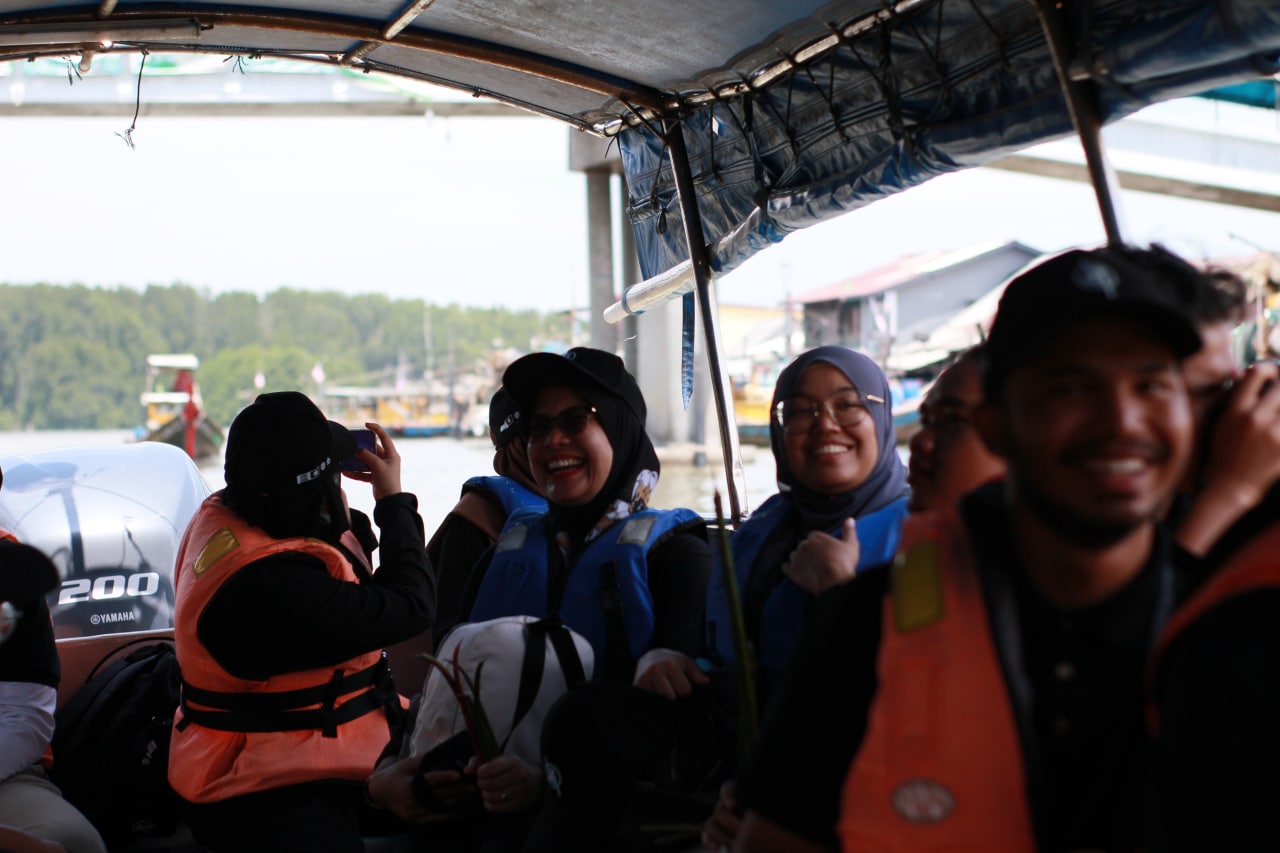
Another way to explore Kuala Sepetang Fisherman Village and its surrounding areas is by sea. Kuala Sepetang Port Weld Eco is one of the major boat operators at the jetty. Each boat is staffed by a helmsman and a tour guide.
Visitors can experience eco-tourism tour, firefly watching, eagles watching, dolphin watching and eating at popular seafood restaurants.
The fishing village has several dormitories or homestay for visitors to spend the night.

-poster-00001.jpg)
.png)
.JPG)






.png)

.png)