
 (1)-poster-00001.jpg)
Taiping began with the emergence of the miners’ village as tin industry grew in the 1850s. The development of tin attracted the British to intervene the administration of Taiping. From the abundant wealth of tin ore, the town was developed rapidly until now since the British introduced a grid iron city planning. Let’s see the chronology of Taiping town development:
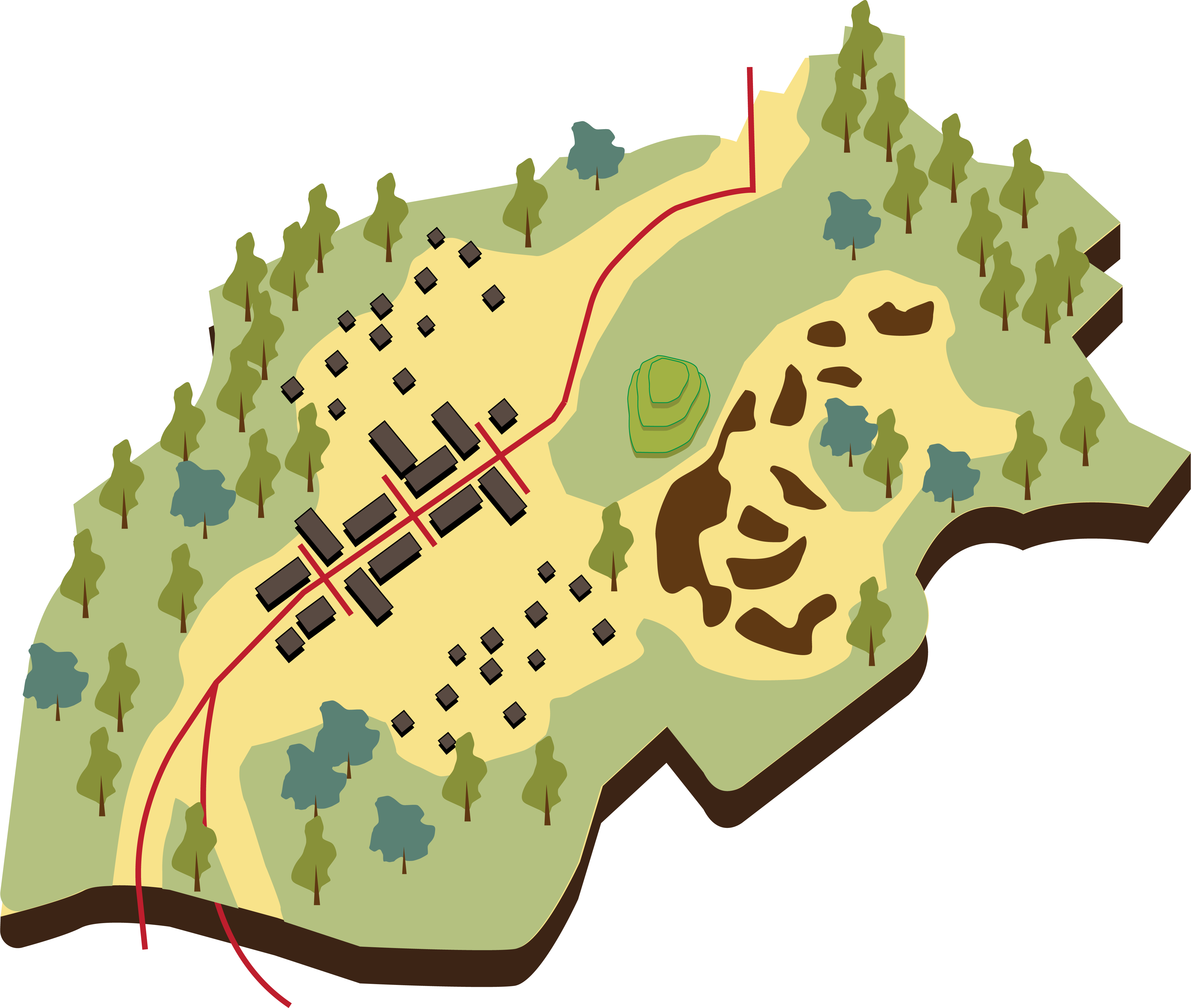
The discovery of tin led to the mass arrival of the Chinese to pioneer the industry of tin mining. There were two major groups of the Chinese, which are the Hai San and the Gee Hin that settled in the village. Their village consisted of gambling houses, bazaars and shops.
The village was built along the main road as connectivity between the mining site and their homes. The main road was a corduroy road that connected Klian Pauh to Sungai Larut for elephants to transport tin loads for export purposes.
According to folklore, the elephant of Che Long Jaafar named Si Larut went missing for three days. Once found, he was astonished to find Si Larut was covered with hard mud. He began to investigate and discovered that the muddy lumps were tin.
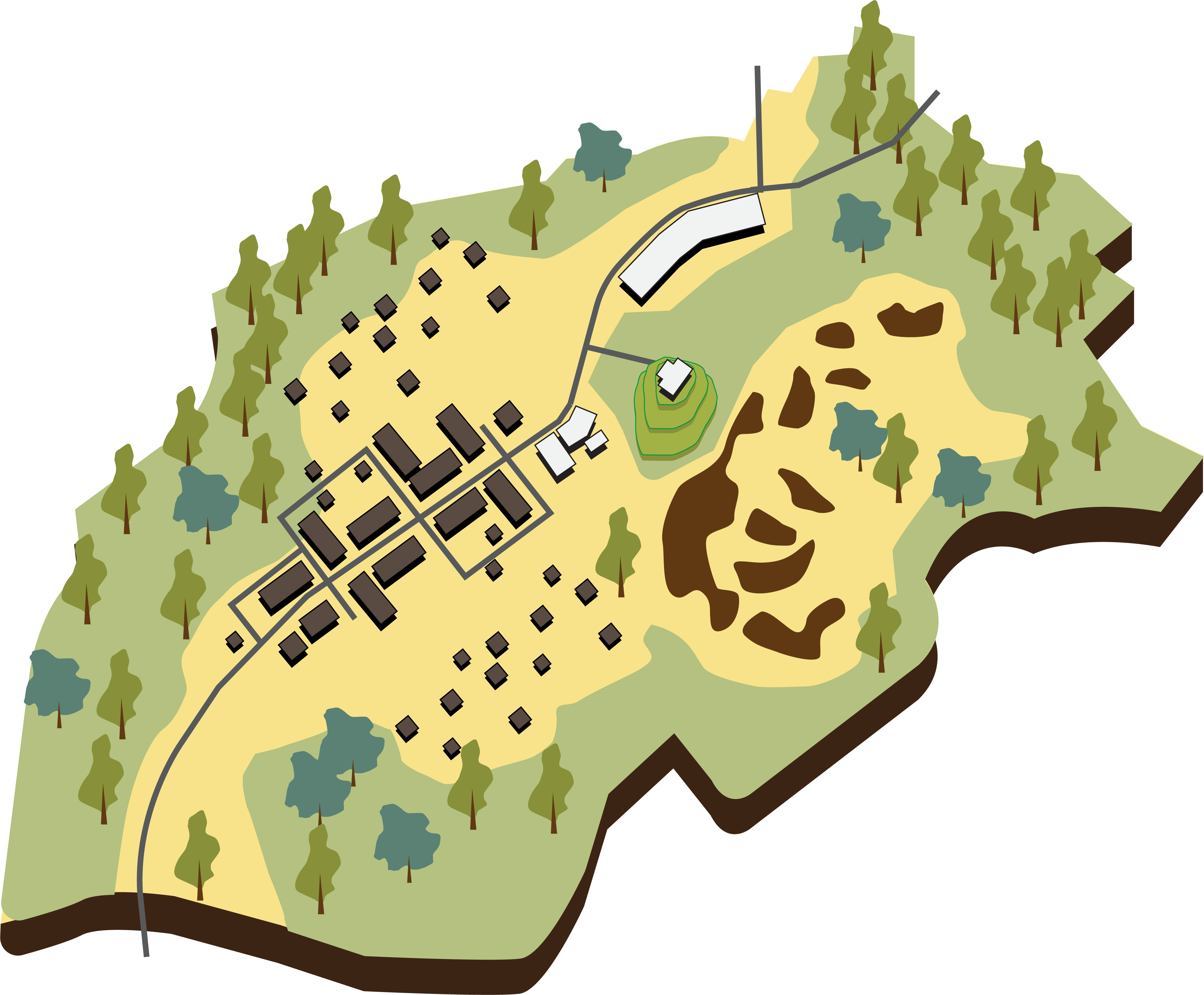
A few the British administrative buildings began to be established such as Taiping Gaol, Resident House, the Town Hall and Public office.
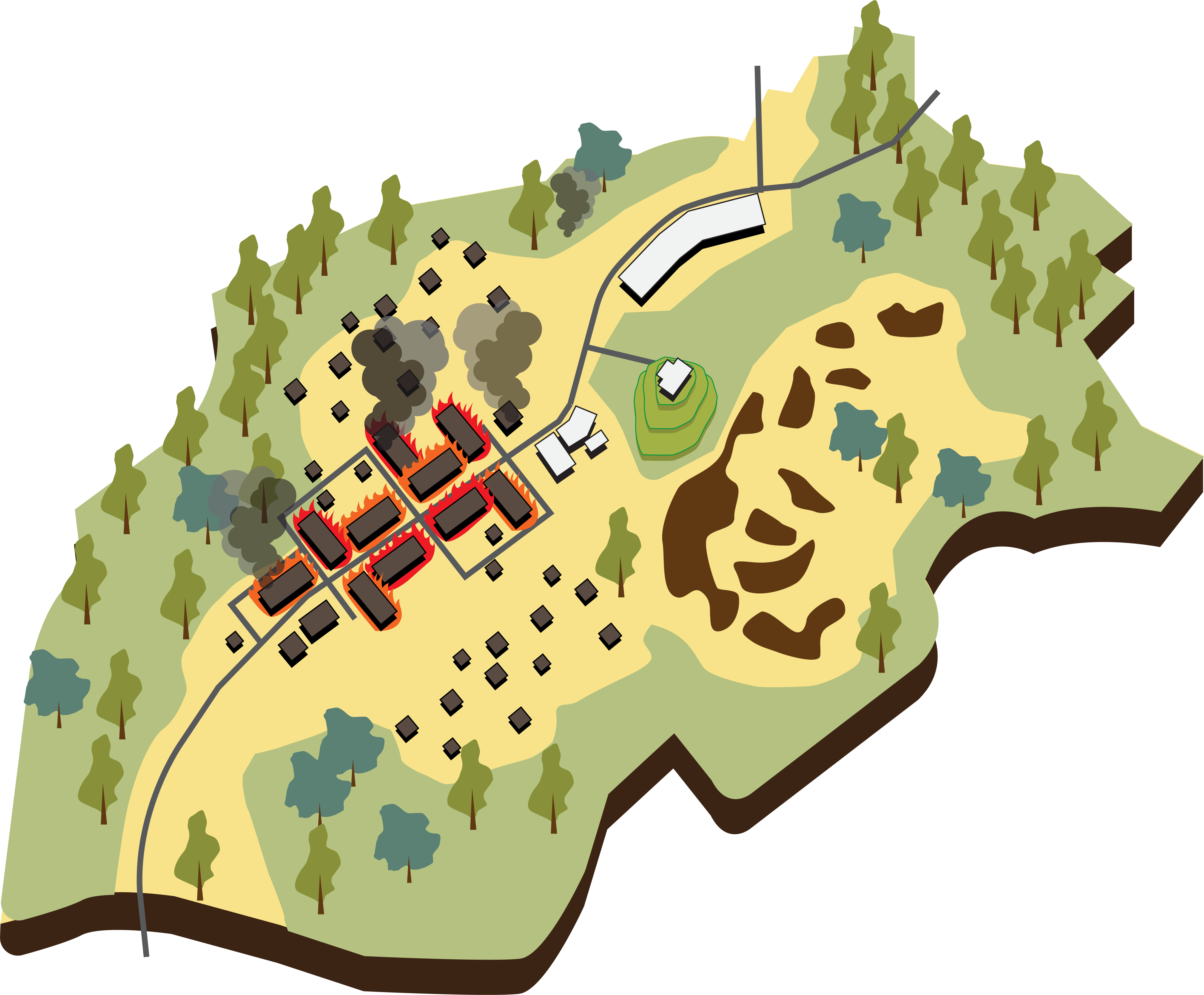
A huge fire occurred, burned down the entire city of Taiping. The fire had easily spread to the whole town because the buildings were made from wooden shacks and built close to each other.
The main road within the town was narrowed caused the fire had spread aggressively.
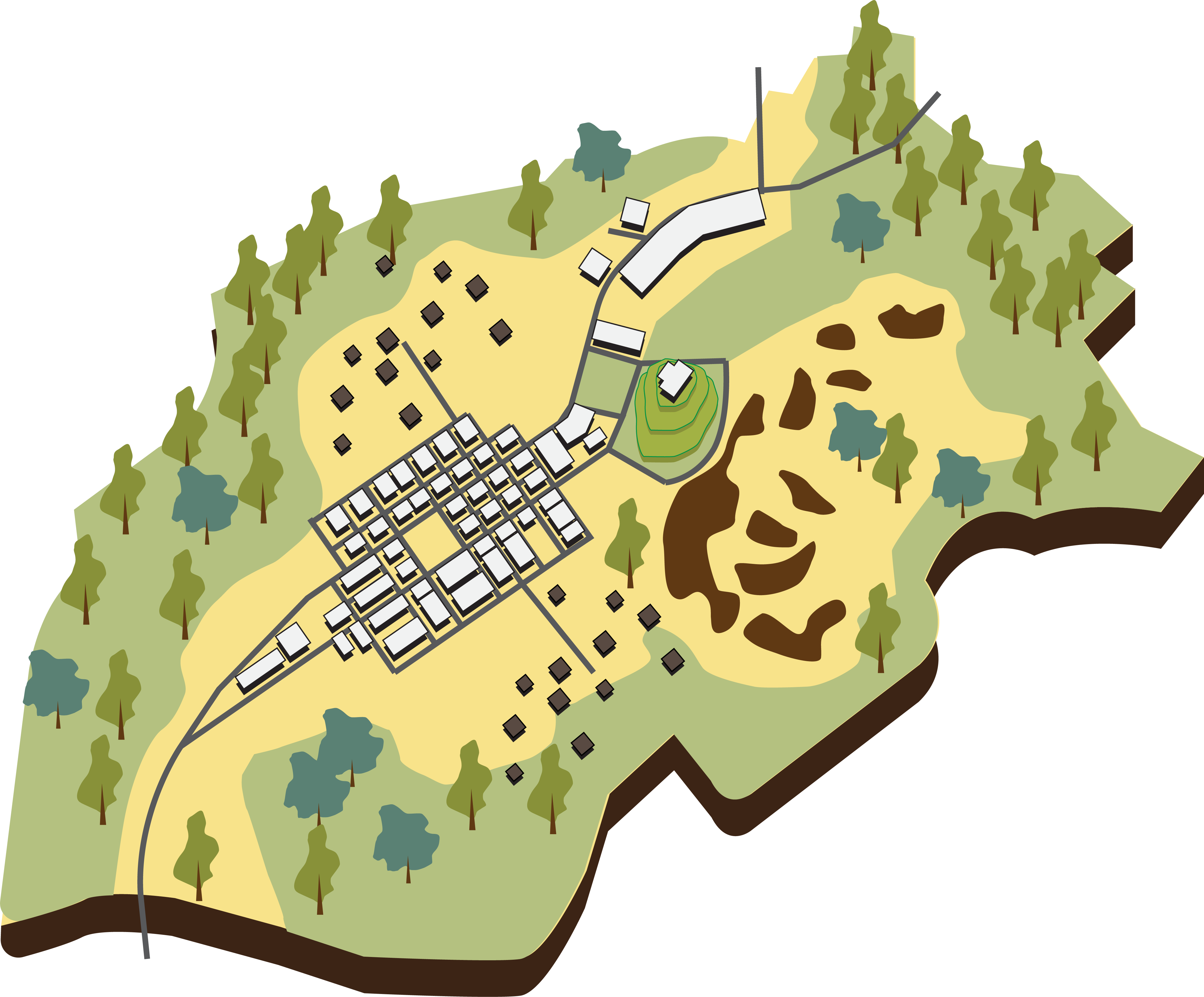
The British rebuilt Taiping town by introducing an iron grid layout that paralleled with urban development in Britain. Grid iron was introduced with the aim of preventing fire, improving sanitary line, and proposing walking distance city.
The grid iron road was built with a width of 70 ft for the main roads and 60 ft for the crossroads that acted as firebreaks. Shade trees such as Angsana and Hujan-hujan were planted alongside the road to provide a better walking environment for users.
Several facilities started to be built such as central school, hospital, railway, and central market to cater the population needs.
Taiping no longer produced tin, so the Chinese miners moved to Ipoh. The population of Taping decreased dramatically, but the population then increased after Europeans, Indians and Ceylonese began to migrate to Taiping. The population then increased gradually and consisted of various races.
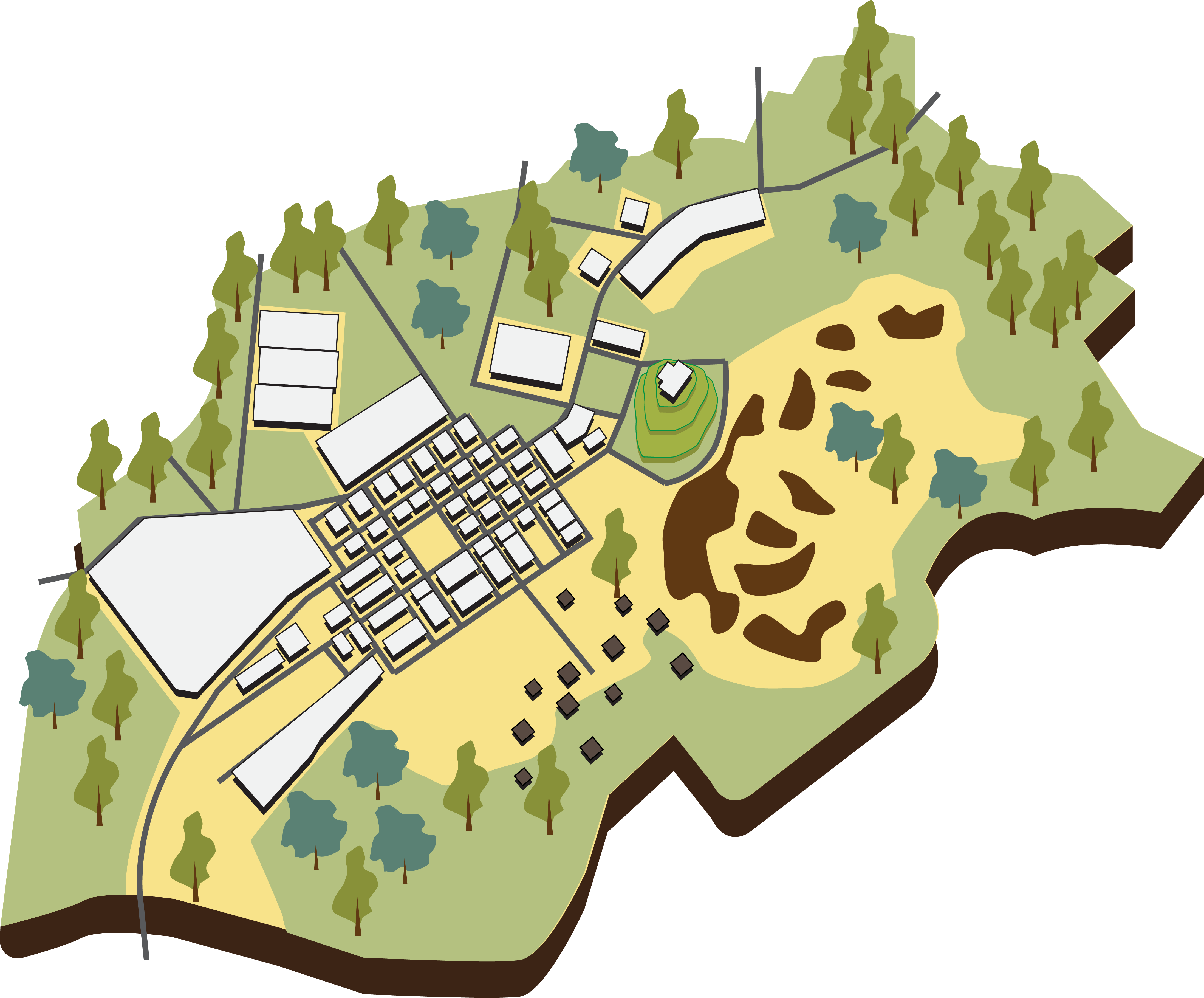
The disused mining areas were reclaimed as the Taiping Lake Garden. The public garden is home of various flora and fauna including heritage trees.
Since the depletion of tin, the capital of Perak was later relocated to Ipoh because of the rapid development of Ipoh town. Taiping city is now left with historic buildings from the British and others.
Taiping is now thriving with the presence of many institutions, commercial buildings, other facilities and housing under the administration of Majlis Perbandaran Taiping. Taming Sari Road is the spine of Taiping’s urban morphology from the past until now.
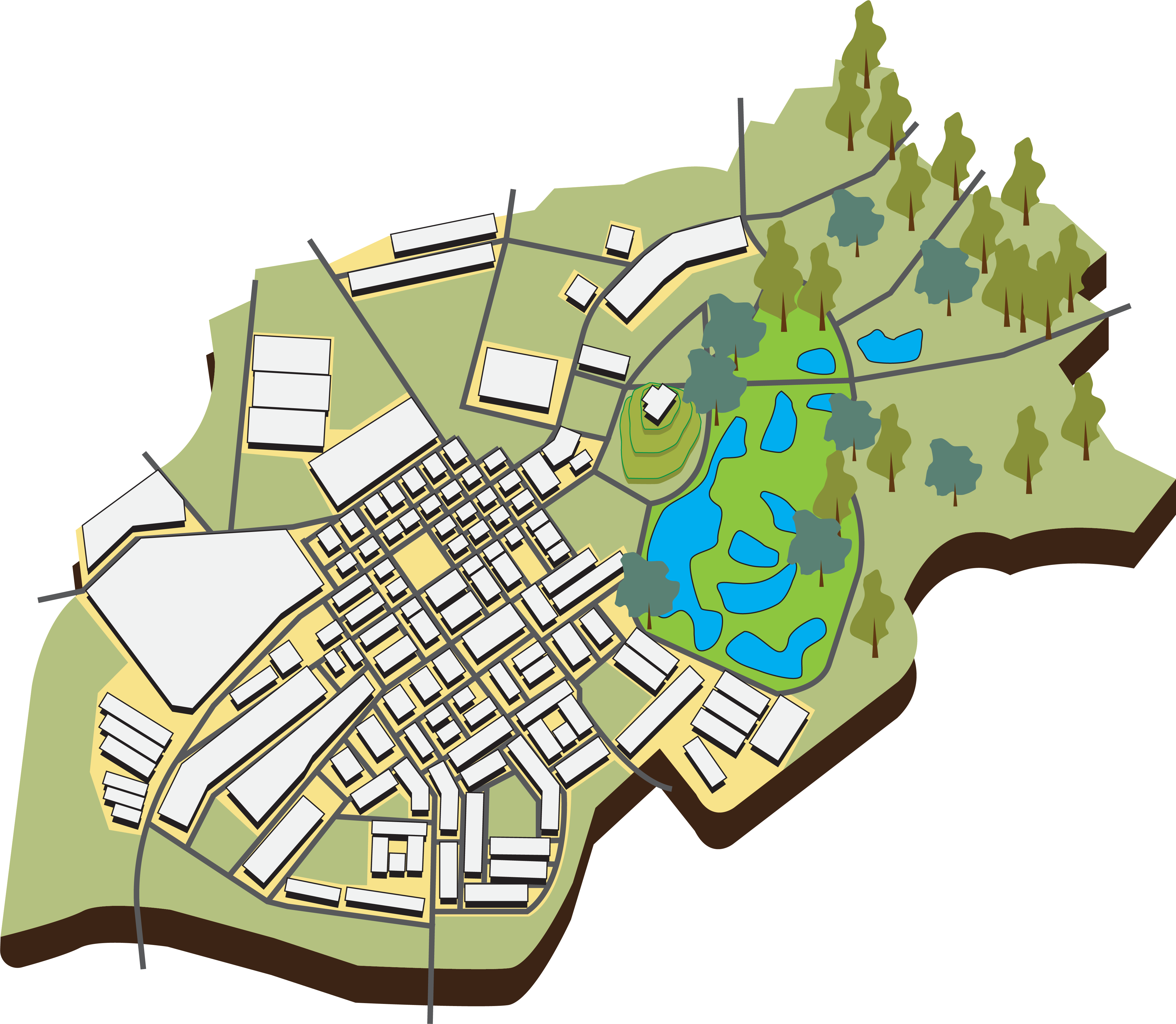
The growth of historic towns in Malaysia has been evolving from year to year. Every building has their own story of their origin and influence. Foreign influences have brought new image and visual identity to the community around that time. The building's evolution reflects a fusion of cultural influences from all over the world, including the Malay Archipelago, India, China, and Europe.
The combination of elements contributed to the creation of a one-of-a-kind architecture, and the changes in the building reflected the introduction of new technologies as well as the influences of global traditions, fashions, and building techniques over time.
One of the aspects that were highly influenced is the architectural style in the building itself, where they remainted until today to tell their story to the world. This project maps the 19 architectural style that can be discovered the past 140 years in Taiping, in the map below:
Department of Landscape Architecture,
Kulliyyah of Architecture and Environmental Design,
International Islamic University Malaysia,
Jalan Gombak,
53100, Selangor.

.png)

.png)


THE: DAWN 2022 | Department of Landscape Architecture | KAED | IIUM